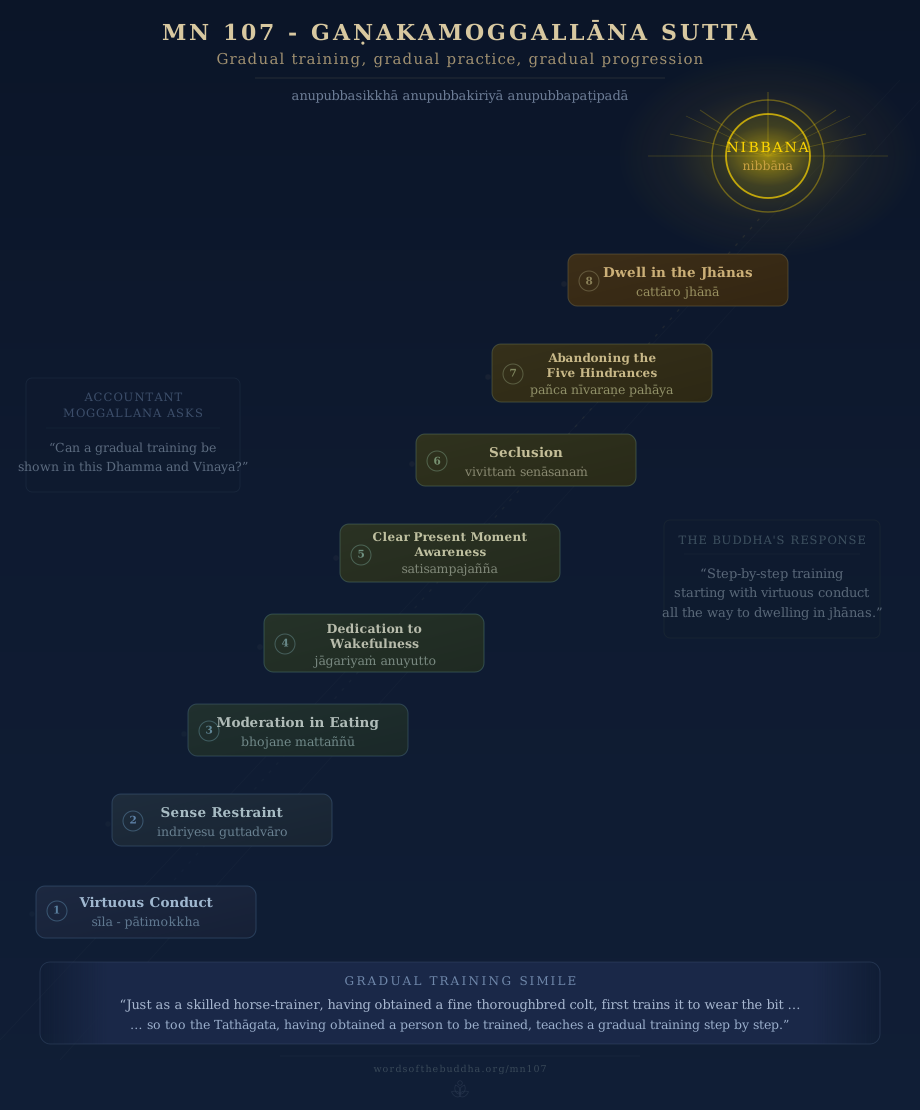
Evaṁ me sutaṁ — ekaṁ samayaṁ bhagavā sāvatthiyaṁ viharati pubbārāme migāramātupāsāde. Atha kho gaṇakamoggallāno brāhmaṇo yena bhagavā tenupasaṅkami; upasaṅkamitvā bhagavatā saddhiṁ sammodi. Sammodanīyaṁ kathaṁ sāraṇīyaṁ vītisāretvā ekamantaṁ nisīdi. Ekamantaṁ nisinno kho gaṇakamoggallāno brāhmaṇo bhagavantaṁ etadavoca:
Thus have I heard—At one time, the Blessed One was dwelling at Sāvatthi, in the Eastern Park, at |Migāramātā’s mansion::name of a monastery outside Sāvatthī, built by Visākhā; lit. Migāra’s Mother’s Hall [migāramātupāsāda]|. Then the brahmin |Gaṇakamoggallāna::name of a Brahman accountant; lit. Moggallāna the counter [gaṇakamoggallāna]| went to the Blessed One. Having approached, he exchanged greetings with the Blessed One. After the exchange of a courteous and politeconversation, he sat down to one side. Seated to one side, the brahmin Gaṇakamoggallāna said to the Blessed One:
“Seyyathāpi, bho gotama, imassa migāramātupāsādassa dissati anupubbasikkhā anupubbakiriyā anupubbapaṭipadā yadidaṁ— yāva pacchimasopānakaḷevarā; imesampi hi, bho gotama, brāhmaṇānaṁ dissati anupubbasikkhā anupubbakiriyā anupubbapaṭipadā yadidaṁ— ajjhene; imesampi hi, bho gotama, issāsānaṁ dissati anupubbasikkhā anupubbakiriyā anupubbapaṭipadā yadidaṁ— issatthe. Amhākampi hi, bho gotama, gaṇakānaṁ gaṇanājīvānaṁ dissati anupubbasikkhā anupubbakiriyā anupubbapaṭipadā yadidaṁ— saṅkhāne. Mayañhi, bho gotama, antevāsiṁ labhitvā paṭhamaṁ evaṁ gaṇāpema: ‘ekaṁ ekakaṁ, dve dukā, tīṇi tikā, cattāri catukkā, pañca pañcakā, cha chakkā, satta sattakā, aṭṭha aṭṭhakā, nava navakā, dasa dasakā’ti; satampi mayaṁ, bho gotama, gaṇāpema, bhiyyopi gaṇāpema. Sakkā nu kho, bho gotama, imasmimpi dhammavinaye evameva anupubbasikkhā anupubbakiriyā anupubbapaṭipadā paññapetun”ti?
“Just as, sir Gotama, in this Migāramātā’s mansion, a gradual training, a gradual practice, and a gradual progression can be seen, namely, down to the final stair; so too, sir Gotama, for the brahmins a gradual training, a gradual practice, and a gradual progression can be seen, namely, in recitation; so too, sir Gotama, for the archers a gradual training, a gradual practice, and a gradual progression can be seen, namely, in archery. And so too, sir Gotama, for us accountants, whose livelihood is in calculation, a gradual training, a gradual practice, and a gradual progression can be seen, namely, in reckoning. For sir Gotama, when we receive a student, first we make him calculate thus: ‘one ones, two twos, three threes, four fours, five fives, six sixes, seven sevens, eight eights, nine nines, ten tens’; we make him calculate even up to a hundred, and beyond that still. Now, sir Gotama, is it possible to describe a similar gradual training, gradual practice, and gradual progression in this |Dhamma::teachings of the Buddha that point to the nature of reality, the ultimate truth [dhamma]| and |Vinaya::code of monastic discipline rules, training [vinaya]|?”
Virtuous Conduct
“Sakkā, brāhmaṇa, imasmimpi dhammavinaye anupubbasikkhā anupubbakiriyā anupubbapaṭipadā paññapetuṁ. Seyyathāpi, brāhmaṇa, dakkho assadammako bhaddaṁ assājānīyaṁ labhitvā paṭhameneva mukhādhāne kāraṇaṁ kāreti, atha uttariṁ kāraṇaṁ kāreti; evameva kho, brāhmaṇa, tathāgato purisadammaṁ labhitvā paṭhamaṁ evaṁ vineti: ‘ehi tvaṁ, bhikkhu, sīlavā hohi, pātimokkhasaṁvarasaṁvuto viharāhi ācāragocarasampanno aṇumattesu vajjesu bhayadassāvī, samādāya sikkhassu sikkhāpadesū’ti.
“It is possible, brahmin, to describe a gradual training, gradual practice, and gradual progression in this Dhamma and Vinaya as well. Just as, brahmin, a skilled horse trainer, having obtained a fine thoroughbred colt, first trains it to wear the bit and then proceeds to train it further; similarly, brahmin, the |Tathāgata::one who has arrived at the truth, an epithet of a perfectly Awakened One [tathāgata]|, having obtained a person to be trained, initially instructs him thus: ‘Come, bhikkhu, be |virtuous::ethical, moral [sīlavant]|, dwell restrained with the restraint of the |moral code of conduct::monastic code of discipline which promotes harmonious and pure conduct with others [pātimokkha]|, know how to behave and keep to suitable places, see danger even in the slightest fault, and undertake the training by practicing the training rules.’
Sense Restraint
Yato kho, brāhmaṇa, bhikkhu sīlavā hoti, pātimokkhasaṁvarasaṁvuto viharati ācāragocarasampanno aṇumattesu vajjesu bhayadassāvī, samādāya sikkhati sikkhāpadesu, tamenaṁ tathāgato uttariṁ vineti: ‘ehi tvaṁ, bhikkhu, indriyesu guttadvāro hohi, cakkhunā rūpaṁ disvā mā nimittaggāhī hohi mānubyañjanaggāhī. Yatvādhikaraṇamenaṁ cakkhundriyaṁ asaṁvutaṁ viharantaṁ abhijjhādomanassā pāpakā akusalā dhammā anvāssaveyyuṁ tassa saṁvarāya paṭipajjāhi; rakkhāhi cakkhundriyaṁ, cakkhundriye saṁvaraṁ āpajjāhi. Sotena saddaṁ sutvā …pe… ghānena gandhaṁ ghāyitvā …pe… jivhāya rasaṁ sāyitvā …pe… kāyena phoṭṭhabbaṁ phusitvā …pe… manasā dhammaṁ viññāya mā nimittaggāhī hohi mānubyañjanaggāhī. Yatvādhikaraṇamenaṁ manindriyaṁ asaṁvutaṁ viharantaṁ abhijjhādomanassā pāpakā akusalā dhammā anvāssaveyyuṁ tassa saṁvarāya paṭipajjāhi; rakkhāhi manindriyaṁ, manindriye saṁvaraṁ āpajjāhī’ti.
When, brahmin, a bhikkhu is virtuous, restrained with the restraint of the moral code of conduct, who knows how to behave and keep to suitable places, who sees danger even in the slightest fault, and undertakes the training by practicing the training rules, then the Tathāgata instructs him further: ‘Come, bhikkhu, guard the doors of your sense faculties. 1.) Upon seeing a |form::a visible object such as a beautiful sight, a face, an expression, art, ornament, possession, status symbol, admired appearance, or enticing scenery—anything seen that can produce desire, attachment, or self-view [rūpa]| with the eye, do not |grasp at its prominent features::focusing on its external characteristics [nimittaggāhī]| nor |be enticed by its details::focus on its secondary characteristics [anubyañjanaggāhī]|. For if the eye faculty remains unguarded, |unwholesome::unhealthy, unskillful, unbeneficial, or karmically unprofitable [akusala]| states of |craving and distress::greediness and dissatisfaction, wanting and unhappiness, craving and aversion [abhijjhā + domanassa]| might |stream in::flood in, overwhelm him [anvāssavati]|. Therefore, practice restraint, guard the eye faculty, and attain the restraint of the eye faculty. 2.) When hearing a |sound::an auditory object such as a sound, noise, melody, or verbal expression—whether it be praise, blame, honor, affection, or disrespect—that can stir emotion, memory, or craving [sadda]| with the ear,
Moderation in Eating
Yato kho, brāhmaṇa, bhikkhu indriyesu guttadvāro hoti, tamenaṁ tathāgato uttariṁ vineti: ‘ehi tvaṁ, bhikkhu, bhojane mattaññū hohi. Paṭisaṅkhā yoniso āhāraṁ āhāreyyāsi— neva davāya na madāya na maṇḍanāya na vibhūsanāya, yāvadeva imassa kāyassa ṭhitiyā yāpanāya vihiṁsūparatiyā brahmacariyānuggahāya—iti purāṇañca vedanaṁ paṭihaṅkhāmi, navañca vedanaṁ na uppādessāmi, yātrā ca me bhavissati anavajjatā ca phāsuvihāro cā’ti.
When, brahmin, a bhikkhu guards the doors of his sense faculties well, the Tathāgata instructs him further: ‘Come, bhikkhu, |be moderate::know the correct measure [mattaññū]| in eating. Reflecting wisely, you should consume food neither for amusement, nor for indulgence, nor for physical appearance, nor for beautification, but only for the sustenance and maintenance of this body, |for preventing harm::for stopping discomfort [vihiṁsūparatiyā]|, as an aid to the |spiritual life::a life of celibacy, contemplation, and ethical discipline lived for the sake of liberation; oriented toward inner development rather than sensual pleasures [brahmacariya]|, thinking thus: ‘I will put an end to old feelings [of hunger] without arousing new feelings, and so that I may maintain myself, be |blameless::irreproachable, faultless [anavajja]|, and live easily.’
Dedication to Wakefulness
Yato kho, brāhmaṇa, bhikkhu bhojane mattaññū hoti, tamenaṁ tathāgato uttariṁ vineti: ‘ehi tvaṁ, bhikkhu, jāgariyaṁ anuyutto viharāhi, divasaṁ caṅkamena nisajjāya āvaraṇīyehi dhammehi cittaṁ parisodhehi, rattiyā paṭhamaṁ yāmaṁ caṅkamena nisajjāya āvaraṇīyehi dhammehi cittaṁ parisodhehi, rattiyā majjhimaṁ yāmaṁ dakkhiṇena passena sīhaseyyaṁ kappeyyāsi pāde pādaṁ accādhāya sato sampajāno uṭṭhānasaññaṁ manasikaritvā, rattiyā pacchimaṁ yāmaṁ paccuṭṭhāya caṅkamena nisajjāya āvaraṇīyehi dhammehi cittaṁ parisodhehī’ti.
When, brahmin, a bhikkhu is moderate in eating, the Tathāgata instructs him further: ‘Come, bhikkhu, dwell devoted to |wakefulness::lucidity, being awake, being alert [jāgariya]|. During the day, purify the mind from |obstructive::impeding, hindering [āvaraṇīya]| states through walking meditation [1] and sitting. During the first |watch::one eighth of the day; about three hours [yāma]| of the night, purify the mind from obstructive states through walking meditation and sitting. During the middle watch of the night, lie down on the right side in the lion’s posture, placing one foot overlapping the other, |mindful::having active presence of mind and lucid retention; remaining naturally anchored and attentive without losing one’s bearings [sata]| and |clearly aware::with attentiveness, with clear and full comprehension, intentional, deliberate, purposeful [sampajāna]|, having attended to the idea of rising up. During the last watch of the night, having risen up, purify the mind from obstructive states through walking meditation and sitting.’
Radical Comprehension
Yato kho, brāhmaṇa, bhikkhu jāgariyaṁ anuyutto hoti, tamenaṁ tathāgato uttariṁ vineti: ‘ehi tvaṁ, bhikkhu, satisampajaññena samannāgato hohi, abhikkante paṭikkante sampajānakārī, ālokite vilokite sampajānakārī, samiñjite pasārite sampajānakārī, saṅghāṭipattacīvaradhāraṇe sampajānakārī, asite pīte khāyite sāyite sampajānakārī, uccārapassāvakamme sampajānakārī, gate ṭhite nisinne sutte jāgarite bhāsite tuṇhībhāve sampajānakārī’ti.
“When, brahmin, a bhikkhu is devoted to wakefulness, the Tathāgata instructs him further: ‘Come, bhikkhu, be endowed with |radical comprehension::complete comprehension of the arising, persisting, and fading away of phenomena, structural comprehension, discerning mindfulness [satisampajañña]|. [2] Act with clear awareness when going forward and returning; act with clear awareness when looking ahead and looking around; act with clear awareness when |flexing::bending back [samiñjita]| and |stretching out::extending, straightening; lit. causing to go forward [pasārita]|; act with clear awareness when wearing robes and bearing the outer robe and bowl; act with clear awareness when eating, drinking, chewing, and tasting; act with clear awareness when |defecating and urinating::going to the toilet [uccārapassāvakamma]|; act with clear awareness when walking, standing, sitting, lying down, being awake, speaking, and keeping silent.’
Seclusion
Yato kho, brāhmaṇa, bhikkhu satisampajaññena samannāgato hoti, tamenaṁ tathāgato uttariṁ vineti: ‘ehi tvaṁ, bhikkhu, vivittaṁ senāsanaṁ bhajāhi araññaṁ rukkhamūlaṁ pabbataṁ kandaraṁ giriguhaṁ susānaṁ vanapatthaṁ abbhokāsaṁ palālapuñjan’ti. So vivittaṁ senāsanaṁ bhajati araññaṁ rukkhamūlaṁ pabbataṁ kandaraṁ giriguhaṁ susānaṁ vanapatthaṁ abbhokāsaṁ palālapuñjaṁ.
When, brahmin, a bhikkhu is endowed with radical comprehension, the Tathāgata instructs him further: ‘Come, bhikkhu, resort to a secluded lodging: a forest, the foot of a tree, a mountain, a ravine, a hillside cave, a charnel ground, a jungle thicket, an open space, a heap of straw.’ He resorts to a secluded lodging: a forest, the foot of a tree, a mountain, a ravine, a hillside cave, a charnel ground, a jungle thicket, an open space, a heap of straw.’
Abandoning the Five Hindrances
So pacchābhattaṁ piṇḍapātapaṭikkanto nisīdati pallaṅkaṁ ābhujitvā, ujuṁ kāyaṁ paṇidhāya, parimukhaṁ satiṁ upaṭṭhapetvā. So abhijjhaṁ loke pahāya vigatābhijjhena cetasā viharati, abhijjhāya cittaṁ parisodheti; byāpādapadosaṁ pahāya abyāpannacitto viharati sabbapāṇabhūtahitānukampī, byāpādapadosā cittaṁ parisodheti; thinamiddhaṁ pahāya vigatathinamiddho viharati ālokasaññī sato sampajāno, thinamiddhā cittaṁ parisodheti; uddhaccakukkuccaṁ pahāya anuddhato viharati ajjhattaṁ vūpasantacitto, uddhaccakukkuccā cittaṁ parisodheti; vicikicchaṁ pahāya tiṇṇavicikiccho viharati akathaṅkathī kusalesu dhammesu, vicikicchāya cittaṁ parisodheti.
After his meal, having returned from the alms round, he sits down folding his legs crosswise, aligning his body upright, establishing mindfulness |as his primary focal point::as first priority, directed towards the meditation object; lit. around the front [parimukhaṁ]|. Abandoning |craving::greediness, wanting, yearning [abhijjhā]| with regard to the world, he dwells with a mind free from craving; he purifies his mind from craving. Abandoning |ill will::hostile thought, malevolent intent, wishing ruin or downfall [byāpāda]| and |aversion::hatred, hostility, mental attitude of rejection, fault-finding, resentful disapproval [dosa]|, he dwells with a benevolent mind, compassionate for the welfare of all living beings; he purifies his mind from ill will and aversion. Abandoning |dullness and drowsiness::lack of mental clarity or alertness, mental sluggishness, lethargy, sleepiness lit. stiffness (of mind/body due to tiredness) [thinamiddha]|, he dwells free from dullness and drowsiness, |perceptive of light::aware of brightness [ālokasaññī]|, mindful and clearly aware; he purifies his mind from dullness and drowsiness. Abandoning |restlessness and worry::agitation and edginess, distraction, fidgeting, fiddling, uneasiness [uddhaccakukkucca]|, he dwells |unruffled::not agitated, not arrogant, not pompous [anuddhata]|, with an inwardly calm mind; he purifies his mind from restlessness and worry. Abandoning |doubt::uncertainty, indecisiveness wrt suffering, its arising, its ending, and the way of practice leading to the cessation of suffering [vicikiccha]|, he dwells having crossed beyond doubt, without perplexity about wholesome mental states; he purifies his mind from doubt.
Dwell in Jhānas
So ime pañca nīvaraṇe pahāya cetaso upakkilese paññāya dubbalīkaraṇe vivicceva kāmehi vivicca akusalehi dhammehi savitakkaṁ savicāraṁ vivekajaṁ pītisukhaṁ paṭhamaṁ jhānaṁ upasampajja viharati. Vitakkavicārānaṁ vūpasamā ajjhattaṁ sampasādanaṁ …pe… dutiyaṁ jhānaṁ upasampajja viharati. Pītiyā ca virāgā … tatiyaṁ jhānaṁ upasampajja viharati. Sukhassa ca pahānā … catutthaṁ jhānaṁ upasampajja viharati.
Having abandoned these five hindrances, imperfections of the mind that weaken wisdom, entirely secluded from sensual pleasures, secluded from |unwholesome::unhealthy, unskillful, unbeneficial, or karmically unprofitable [akusala]| mental states, he enters and dwells in the first jhāna, which is |accompanied by thought::with thinking, with reflection [savitakka]| and |examination::with investigation, evaluation [savicāra]|, |born of seclusion::secluded from the defilements [vivekaja]|, and imbued with |uplifting joy and pleasure::delight and ease; sometimes experienced as ecstasy, intense exhilaration or rapture [pītisukha]|. With the |settling::calming, conciliation, subsiding [vūpasama]| of thought and examination, he enters and dwells in the second jhāna
Ye kho te, brāhmaṇa, bhikkhū sekkhā apattamānasā anuttaraṁ yogakkhemaṁ patthayamānā viharanti tesu me ayaṁ evarūpī anusāsanī hoti. Ye pana te bhikkhū arahanto khīṇāsavā vusitavanto katakaraṇīyā ohitabhārā anuppattasadatthā parikkhīṇabhavasaṁyojanā sammadaññāvimuttā tesaṁ ime dhammā diṭṭhadhammasukhavihārāya ceva saṁvattanti, satisampajaññāya cā”ti.
This is my instruction, brahmin, to those bhikkhus who are |trainee::learner, one of the seven stages of a noble person before full awakening [sekha]|s, who abide aspiring for the unsurpassed security from bondage. But those bhikkhus who are arahants, |whose taints have worn away::who is awakened through the complete exhaustion of the taints of sensuality, becoming, and ignorance; an epithet for an Arahant [khīṇāsava]|, who have fulfilled the spiritual life, who have done what had to be done, having put down the burden, having achieved the highest goal, |having exhausted the fetter of existence::who has worn away the bonds of continued conditional existence, i.e. the karmically conditioned mode of being that leads to future rebirth [parikkhīṇabhavasaṃyojana]|, and |who are freed through complete comprehension::who are liberated by perfect understanding, epithet of an Arahant [sammadaññāvimutta]|, for them these things lead to a |pleasant abiding in the here and now::comfortable existence in this very life [diṭṭhadhammasukhavihāra]| and to radical comprehension.”
Who Attains Nibbāna
Evaṁ vutte, gaṇakamoggallāno brāhmaṇo bhagavantaṁ etadavoca: “kiṁ nu kho bhoto gotamassa sāvakā bhotā gotamena evaṁ ovadīyamānā evaṁ anusāsīyamānā sabbe accantaṁ niṭṭhaṁ nibbānaṁ ārādhenti udāhu ekacce nārādhentī”ti?
When this was said, the brahmin Gaṇakamoggallāna said this to the Blessed One: “When sir Gotama’s disciples are instructed and guided in this way by sir Gotama, do they all attain the ultimate goal, |Nibbāna::complete cooling, letting go of everything, deathless, freedom from calamity, the non-disintegrating; lit. blowing away [nibbāna]|, or do some not attain it?”
“Appekacce kho, brāhmaṇa, mama sāvakā mayā evaṁ ovadīyamānā evaṁ anusāsīyamānā accantaṁ niṭṭhaṁ nibbānaṁ ārādhenti, ekacce nārādhentī”ti.
“Some of my disciples, brahmin, being instructed and guided in this way by me, attain the ultimate goal, Nibbāna, and some do not.”
“Ko nu kho, bho gotama, hetu ko paccayo yaṁ tiṭṭhateva nibbānaṁ, tiṭṭhati nibbānagāmī maggo, tiṭṭhati bhavaṁ gotamo samādapetā; atha ca pana bhoto gotamassa sāvakā bhotā gotamena evaṁ ovadīyamānā evaṁ anusāsīyamānā appekacce accantaṁ niṭṭhaṁ nibbānaṁ ārādhenti, ekacce nārādhentī”ti?
“What is the cause, sir Gotama, and what is the reason that while Nibbāna exists, the path leading to Nibbāna exists, and sir Gotama is present as an |encourager::instigator; lit. who causes to take [samādapetar]|; yet when sir Gotama’s disciples are instructed and guided in this way by sir Gotama, some attain the ultimate goal, Nibbāna, and some do not?”
“Tena hi, brāhmaṇa, taṁyevettha paṭipucchissāmi. Yathā te khameyya tathā naṁ byākareyyāsi. Taṁ kiṁ maññasi, brāhmaṇa, kusalo tvaṁ rājagahagāmissa maggassā”ti?
“As to that, brahmin, I will ask you a question in return. Answer it as you see fit. What do you think, brahmin, are you familiar with the path leading to Rājagaha?”
“Evaṁ, bho, kusalo ahaṁ rājagahagāmissa maggassā”ti.
“Yes, sir Gotama, I am familiar with the path leading to Rājagaha.”
“Taṁ kiṁ maññasi, brāhmaṇa, idha puriso āgaccheyya rājagahaṁ gantukāmo. So taṁ upasaṅkamitvā evaṁ vadeyya: ‘icchāmahaṁ, bhante, rājagahaṁ gantuṁ; tassa me rājagahassa maggaṁ upadisā’ti. Tamenaṁ tvaṁ evaṁ vadeyyāsi: ‘ehambho purisa, ayaṁ maggo rājagahaṁ gacchati. Tena muhuttaṁ gaccha, tena muhuttaṁ gantvā dakkhissasi amukaṁ nāma gāmaṁ, tena muhuttaṁ gaccha, tena muhuttaṁ gantvā dakkhissasi amukaṁ nāma nigamaṁ; tena muhuttaṁ gaccha, tena muhuttaṁ gantvā dakkhissasi rājagahassa ārāmarāmaṇeyyakaṁ vanarāmaṇeyyakaṁ bhūmirāmaṇeyyakaṁ pokkharaṇīrāmaṇeyyakan’ti. So tayā evaṁ ovadīyamāno evaṁ anusāsīyamāno ummaggaṁ gahetvā pacchāmukho gaccheyya.
“What do you think, brahmin? Suppose a man came here wanting to go to Rājagaha. Having approached you, he might say: ‘Venerable sir, I wish to go to Rājagaha; show me the path to Rājagaha.’ You might say to him: ‘Good man, this path goes to Rājagaha. Go along it for a while. Having gone along it for a while, you will see a certain village. Go along it for a while. Having gone along it for a while, you will see a certain town. Go along it for a while. Having gone along it for a while, you will see Rājagaha’s delightful parks, delightful forests, delightful landscapes, and delightful lotus ponds.’ Being instructed and guided in this way by you, he might take a wrong path and head in the opposite direction.
Atha dutiyo puriso āgaccheyya rājagahaṁ gantukāmo. So taṁ upasaṅkamitvā evaṁ vadeyya: ‘icchāmahaṁ, bhante, rājagahaṁ gantuṁ; tassa me rājagahassa maggaṁ upadisā’ti. Tamenaṁ tvaṁ evaṁ vadeyyāsi: ‘ehambho purisa, ayaṁ maggo rājagahaṁ gacchati. Tena muhuttaṁ gaccha, tena muhuttaṁ gantvā dakkhissasi amukaṁ nāma gāmaṁ; tena muhuttaṁ gaccha, tena muhuttaṁ gantvā dakkhissasi amukaṁ nāma nigamaṁ; tena muhuttaṁ gaccha, tena muhuttaṁ gantvā dakkhissasi rājagahassa ārāmarāmaṇeyyakaṁ vanarāmaṇeyyakaṁ bhūmirāmaṇeyyakaṁ pokkharaṇīrāmaṇeyyakan’ti. So tayā evaṁ ovadīyamāno evaṁ anusāsīyamāno sotthinā rājagahaṁ gaccheyya. Ko nu kho, brāhmaṇa, hetu ko paccayo yaṁ tiṭṭhateva rājagahaṁ, tiṭṭhati rājagahagāmī maggo, tiṭṭhasi tvaṁ samādapetā; atha ca pana tayā evaṁ ovadīyamāno evaṁ anusāsīyamāno eko puriso ummaggaṁ gahetvā pacchāmukho gaccheyya, eko sotthinā rājagahaṁ gaccheyyā”ti?
Then a second man might come wanting to go to Rājagaha. Having approached you, he might say: ‘Venerable sir, I wish to go to Rājagaha; show me the path to Rājagaha.’ You might say to him: ‘Good man, this path goes to Rājagaha. Go along it for a while. Having gone along it for a while, you will see a certain village. Go along it for a while. Having gone along it for a while, you will see a certain town. Go along it for a while. Having gone along it for a while, you will see Rājagaha’s delightful parks, delightful forests, delightful landscapes, and delightful lotus ponds.’ Being instructed and guided in this way by you, he might go safely to Rājagaha. What is the cause, brahmin, what is the reason that, while Rājagaha exists, and the path leading to Rājagaha exists, and you are present as an encourager; yet when instructed and guided in this way by you, one man takes a wrong path and heads in the opposite direction, and one goes safely to Rājagaha?”
“Ettha kyāhaṁ, bho gotama, karomi? Maggakkhāyīhaṁ, bho gotamā”ti.
“What can I do about this, sir Gotama? I am one who shows the path, sir Gotama.”
“Evameva kho, brāhmaṇa, tiṭṭhateva nibbānaṁ, tiṭṭhati nibbānagāmī maggo, tiṭṭhāmahaṁ samādapetā; atha ca pana mama sāvakā mayā evaṁ ovadīyamānā evaṁ anusāsīyamānā appekacce accantaṁ niṭṭhaṁ nibbānaṁ ārādhenti, ekacce nārādhenti. Ettha kyāhaṁ, brāhmaṇa, karomi? Maggakkhāyīhaṁ, brāhmaṇa, tathāgato”ti.
“Even so, brahmin, Nibbāna exists, the path leading to Nibbāna exists, and I am present as an encourager; yet when my disciples are instructed and guided in this way by me, some attain the ultimate goal, Nibbāna, and some do not. What can I do about this, brahmin? The Tathāgata, brahmin, is one who shows the path.”
Evaṁ vutte, gaṇakamoggallāno brāhmaṇo bhagavantaṁ etadavoca: “yeme, bho gotama, puggalā assaddhā jīvikatthā na saddhā agārasmā anagāriyaṁ pabbajitā saṭhā māyāvino ketabino uddhatā unnaḷā capalā mukharā vikiṇṇavācā indriyesu aguttadvārā bhojane amattaññuno jāgariyaṁ ananuyuttā sāmaññe anapekkhavanto sikkhāya na tibbagāravā bāhulikā sāthalikā okkamane pubbaṅgamā paviveke nikkhittadhurā kusītā hīnavīriyā muṭṭhassatino asampajānā asamāhitā vibbhantacittā duppaññā eḷamūgā, na tehi bhavaṁ gotamo saddhiṁ saṁvasati.
When this was said, the brahmin Gaṇakamoggallāna said to the Blessed One: “There are those, sir Gotama, who lack faith, who have left the household life for a livelihood, not out of faith. They are crafty, deceitful, treacherous, |restless::agitated, unbalanced, confused about what is right and wrong [uddhata]|, |arrogant::conceited, haughty [unnaḷa]|, |unsteady::wavering, fickle, inconsistent [capala]|, |talkative::big-mouthed [mukhara]|, |chatty::with scattered speech [vikiṇṇavāca]|, |with unguarded sense faculties::uncontrolled in senses, not having self-restraint [aguttadvāratā]|, lacking moderation in eating, not devoted to wakefulness, indifferent to the ascetic life, without keen respect for the training, |indulgent::excessive, living luxuriously, extravagant [bāhulika]|, |lax::loose, lethargic, slack [sāthalika]|, leaders in backsliding, neglectful of seclusion, |indolent::lazy, inactive person, indolent [kusītā]|, |weak in effort::low in energy, lacking in endurance [hīnavīriya]|, |muddle-minded::forgetful, not mindful [muṭṭhassatī]|, |lacking clear awareness::inattentive [asampajāna]|, |distracted::with scattered attention, not collected, not well-composed [asamāhita]|, |with a wandering mind::with runaway thoughts, mentally out of control [vibbhantacitta]|, |undiscerning::without wisdom; lit. bad understanding [duppañña]|, and uninformed—these, sir Gotama, do not live in close association with you.
Ye pana te kulaputtā saddhā agārasmā anagāriyaṁ pabbajitā asaṭhā amāyāvino aketabino anuddhatā anunnaḷā acapalā amukharā avikiṇṇavācā indriyesu guttadvārā bhojane mattaññuno jāgariyaṁ anuyuttā sāmaññe apekkhavanto sikkhāya tibbagāravā nabāhulikā nasāthalikā okkamane nikkhittadhurā paviveke pubbaṅgamā āraddhavīriyā pahitattā upaṭṭhitassatino sampajānā samāhitā ekaggacittā paññavanto aneḷamūgā, tehi bhavaṁ gotamo saddhiṁ saṁvasati.
But those clansmen who have left the household life out of faith, who are not crafty, deceitful, or treacherous, who are not restless, arrogant, unsteady, talkative, or chatty, with guarded sense faculties, moderate in eating, devoted to wakefulness, with regard for the ascetic life, with keen respect for the training, not indulgent or lax, who are keen to avoid backsliding, leaders in seclusion, |with energy aroused::with initiative [āraddhavīriya]|, |resolute::determined, intent [pahitatta]|, who |attend mindfully::are with presence of mind [upaṭṭhitassatī]|, |clearly aware::with attentiveness, with clear and full comprehension, intentional, deliberate, purposeful [sampajāna]|, |collected::composed, settled [samāhita]|, |with a unified mind::with a one-pointed mind; with an integrated, well-composed, concentrated mind [ekaggacitta]|, |wise::discerning, percipient; lit. having the wisdom quality [paññavant]|, perceptive—these, sir Gotama, indeed live in close association with you.
Seyyathāpi, bho gotama, ye keci mūlagandhā, kālānusāri tesaṁ aggamakkhāyati; ye keci sāragandhā, lohitacandanaṁ tesaṁ aggamakkhāyati; ye keci pupphagandhā, vassikaṁ tesaṁ aggamakkhāyati; evameva bhoto gotamassa ovādo paramajjadhammesu.
Just as |Kāḷānusāriya fragrance::dominant fragrance [kāḷānusāri]| is reckoned as the best of root fragrances and red sandalwood is reckoned as the best of heartwood fragrances and jasmine is reckoned as the best of flower fragrances, so too, sir Gotama’s advise is the highest among the teachings of today.
Abhikkantaṁ, bho gotama, abhikkantaṁ, bho gotama. Seyyathāpi, bho gotama, nikkujjitaṁ vā ukkujjeyya, paṭicchannaṁ vā vivareyya, mūḷhassa vā maggaṁ ācikkheyya, andhakāre vā telapajjotaṁ dhāreyya: ‘cakkhumanto rūpāni dakkhantī’ti; evamevaṁ bhotā gotamena anekapariyāyena dhammo pakāsito. Esāhaṁ bhavantaṁ gotamaṁ saraṇaṁ gacchāmi dhammañca bhikkhusaṅghañca. Upāsakaṁ maṁ bhavaṁ gotamo dhāretu ajjatagge pāṇupetaṁ saraṇaṁ gatan”ti.
Excellent, sir Gotama! Excellent, sir Gotama! Just as if one might set upright what had been overturned, |reveal::uncover [vivarati]| what had been concealed, point out the way to one who was lost, or hold up a lamp in the dark so that those with eyes could see forms, in the same way, sir Gotama, the Dhamma has been |explained::illustrated [pakāsita]| by you in many ways. I go for refuge to venerable Gotama, to the Dhamma, and to the |Saṅgha::The community of monks and nuns practicing in line with the Buddha’s teachings. In the broader sense, this is the community of disciples who have realized the noble path and fruition through the Buddha’s teachings [saṅgha]| of bhikkhus. May sir Gotama remember me as a lay follower who, from this day forward, has gone to refuge for life.”
Walking meditation is to be done with continuous awareness, i.e. maintaining spatial focus on the meditation path so as to not drift off into the past or future, with senses directed inward, and mind not straying outward. See AN 7.61 - Dozing ¶11
This practice extends continuous awareness into all everyday physical actions, ensuring the mind remains anchored in the present moment rather than drifting. It forms a core section of the broader instructions on mindfulness of the body. See MN 119 - Mindfulness of the Body.