Evaṁ me sutaṁ— ekaṁ samayaṁ bhagavā kurūsu viharati kammāsadhammaṁ nāma kurūnaṁ nigamo. Tatra kho bhagavā bhikkhū āmantesi: “bhikkhavo”ti.
Thus have I heard—At one time, the Blessed One was dwelling in the land of the Kurus, in a town of the Kurus named Kammāsadhamma. There, the Blessed One addressed the bhikkhus: “Bhikkhus.”
“Bhadante”ti te bhikkhū bhagavato paccassosuṁ. Bhagavā etadavoca:
“Venerable sir,” those bhikkhus replied to the Blessed One. The Blessed One said this:
“Aniccā, bhikkhave, kāmā tucchā musā mosadhammā. Māyākatametaṁ, bhikkhave, bālalāpanaṁ. Ye ca diṭṭhadhammikā kāmā, ye ca samparāyikā kāmā; yā ca diṭṭhadhammikā kāmasaññā, yā ca samparāyikā kāmasaññā— ubhayametaṁ māradheyyaṁ, mārassesa visayo, mārassesa nivāpo, mārassesa gocaro. Etthete pāpakā akusalā mānasā abhijjhāpi byāpādāpi sārambhāpi saṁvattanti. Teva ariyasāvakassa idhamanusikkhato antarāyāya sambhavanti.
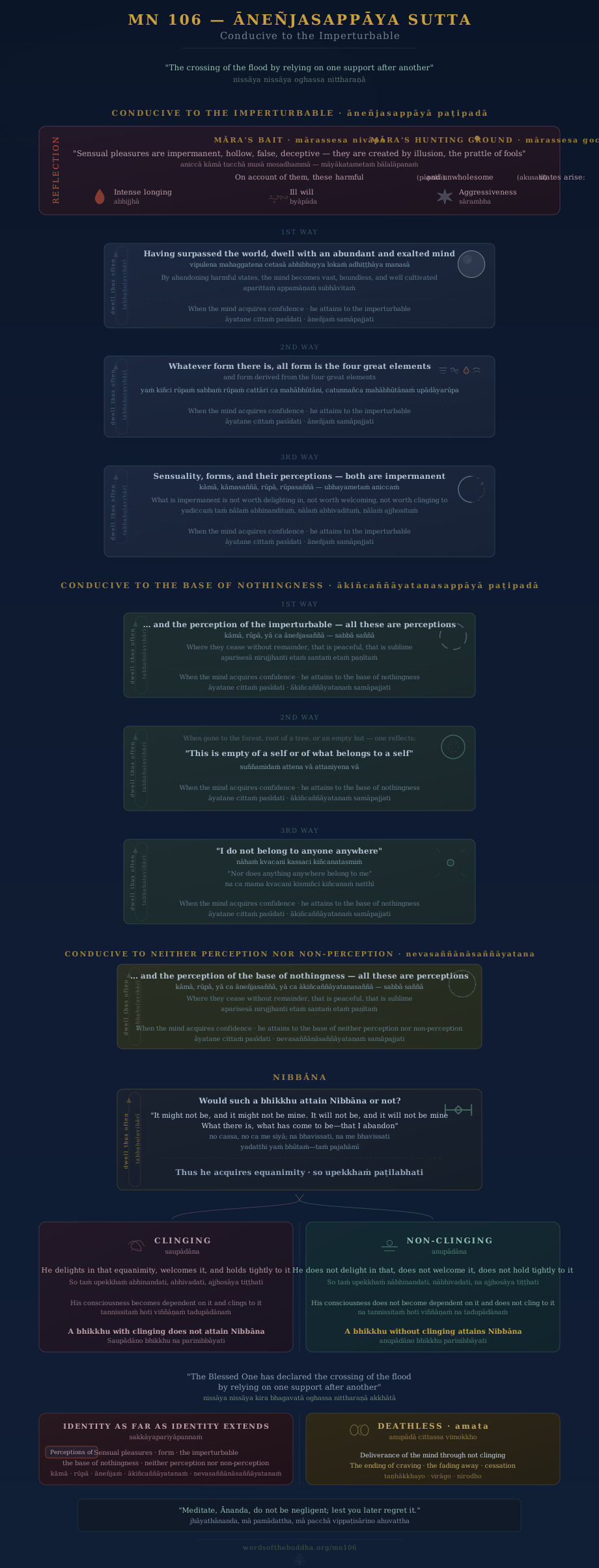
“Bhikkhus, sensual pleasures are impermanent, hollow, false, deceptive. They are created by illusion, the prattle of fools. Whatever sensual pleasures there are concerning this life, and whatever sensual pleasures there are in the next life; whatever perception of sensuality there is in this life, and whatever perception of sensuality there is in the next life—both alike are Māra’s realm, Māra’s domain, Māra’s bait, Māra’s hunting ground. On account of them, these harmful, unwholesome mental states such as intense longing, ill will, and aggressiveness arise. And they become an obstacle for a disciple of the Noble Ones training here.
The Imperturbable
Tatra, bhikkhave, ariyasāvako iti paṭisañcikkhati: ‘ye ca diṭṭhadhammikā kāmā, ye ca samparāyikā kāmā; yā ca diṭṭhadhammikā kāmasaññā, yā ca samparāyikā kāmasaññā— ubhayametaṁ māradheyyaṁ, mārassesa visayo, mārassesa nivāpo, mārassesa gocaro. Etthete pāpakā akusalā mānasā abhijjhāpi byāpādāpi sārambhāpi saṁvattanti, teva ariyasāvakassa idhamanusikkhato antarāyāya sambhavanti. Yannūnāhaṁ vipulena mahaggatena cetasā vihareyyaṁ abhibhuyya lokaṁ adhiṭṭhāya manasā. Vipulena hi me mahaggatena cetasā viharato abhibhuyya lokaṁ adhiṭṭhāya manasā ye pāpakā akusalā mānasā abhijjhāpi byāpādāpi sārambhāpi te na bhavissanti. Tesaṁ pahānā aparittañca me cittaṁ bhavissati appamāṇaṁ subhāvitan’ti.
There, bhikkhus, a disciple of the Noble Ones reflects thus: ‘Whatever sensual pleasures there are concerning this life, and whatever sensual pleasures there are in the next life; whatever perception of sensuality there is in this life, and whatever perception of sensuality there is in the next life—both alike are Māra’s realm, Māra’s domain, Māra’s bait, Māra’s hunting ground. On account of them, these harmful, unwholesome mental states such as intense longing, ill will, and aggressiveness arise. And they become an obstacle for a disciple of the Noble Ones training here. Suppose I were to dwell with a mind that is abundant and exalted, having surpassed the world and made a firm determination with the mind. For as I dwell with a mind that is abundant and exalted, having surpassed the world and made a firm determination with the mind, these harmful, unwholesome mental states such as intense longing, ill will, and aggressiveness would not arise. And with the abandoning of them, my mind will be vast, boundless, and well-cultivated.’
Tassa evaṁpaṭipannassa tabbahulavihārino āyatane cittaṁ pasīdati. Sampasāde sati etarahi vā āneñjaṁ samāpajjati paññāya vā adhimuccati. Kāyassa bhedā paraṁ maraṇā, ṭhānametaṁ vijjati yaṁ taṁsaṁvattanikaṁ viññāṇaṁ assa āneñjūpagaṁ. Ayaṁ, bhikkhave, paṭhamā āneñjasappāyā paṭipadā akkhāyati.
When he practices in this way and dwells thus often, his mind acquires confidence in this base. When there is full confidence, he either attains to the imperturbable now or resolves upon it with wisdom. With the breaking up of the body, after death, it is possible that the evolving consciousness may pass on [to rebirth] in the imperturbable. This, bhikkhus, is said to be the first way of practice conducive to the imperturbable.
Puna caparaṁ, bhikkhave, ariyasāvako iti paṭisañcikkhati: ‘ye ca diṭṭhadhammikā kāmā, ye ca samparāyikā kāmā; yā ca diṭṭhadhammikā kāmasaññā, yā ca samparāyikā kāmasaññā; yaṁ kiñci rūpaṁ sabbaṁ rūpaṁ cattāri ca mahābhūtāni, catunnañca mahābhūtānaṁ upādāyarūpan’ti. Tassa evaṁpaṭipannassa tabbahulavihārino āyatane cittaṁ pasīdati. Sampasāde sati etarahi vā āneñjaṁ samāpajjati paññāya vā adhimuccati. Kāyassa bhedā paraṁ maraṇā, ṭhānametaṁ vijjati yaṁ taṁsaṁvattanikaṁ viññāṇaṁ assa āneñjūpagaṁ. Ayaṁ, bhikkhave, dutiyā āneñjasappāyā paṭipadā akkhāyati.
Again, bhikkhus, a disciple of the Noble Ones reflects thus: ‘Whatever sensual pleasures there are concerning this life, and whatever sensual pleasures there are in the next life; whatever perception of sensuality there is in this life, and whatever perception of sensuality there is in the next life—whatever form there is, all form is the four great elements and form derived from the four great elements.’ When he practices in this way and dwells thus often, his mind acquires confidence in this base. When there is full confidence, he either attains to the imperturbable now or resolves upon it with wisdom. With the breaking up of the body, after death, it is possible that the evolving consciousness may pass on [to rebirth] in the imperturbable. This, bhikkhus, is said to be the second way of practice conducive to the imperturbable.
Puna caparaṁ, bhikkhave, ariyasāvako iti paṭisañcikkhati: ‘ye ca diṭṭhadhammikā kāmā, ye ca samparāyikā kāmā; yā ca diṭṭhadhammikā kāmasaññā, yā ca samparāyikā kāmasaññā; ye ca diṭṭhadhammikā rūpā, ye ca samparāyikā rūpā; yā ca diṭṭhadhammikā rūpasaññā, yā ca samparāyikā rūpasaññā— ubhayametaṁ aniccaṁ. Yadaniccaṁ taṁ nālaṁ abhinandituṁ, nālaṁ abhivadituṁ, nālaṁ ajjhositun’ti. Tassa evaṁpaṭipannassa tabbahulavihārino āyatane cittaṁ pasīdati. Sampasāde sati etarahi vā āneñjaṁ samāpajjati paññāya vā adhimuccati. Kāyassa bhedā paraṁ maraṇā, ṭhānametaṁ vijjati yaṁ taṁsaṁvattanikaṁ viññāṇaṁ assa āneñjūpagaṁ. Ayaṁ, bhikkhave, tatiyā āneñjasappāyā paṭipadā akkhāyati.
Again, bhikkhus, a disciple of the Noble Ones reflects thus: ‘Whatever sensual pleasures there are concerning this life, and whatever sensual pleasures there are in the next life; whatever perception of sensuality there is in this life, and whatever perception of sensuality there is in the next life; whatever forms there are in this life, and whatever forms there are in the next life; whatever perception of form there is in this life, and whatever perception of form there is in the next life—both of these are impermanent. What is impermanent is not worth delighting in, not worth welcoming, not worth clinging to.’ When he practices in this way and dwells thus often, his mind acquires confidence in this base. When there is full confidence, he either attains to the imperturbable now or resolves upon it with wisdom. With the breaking up of the body, after death, it is possible that the evolving consciousness may pass on [to rebirth] in the imperturbable. This, bhikkhus, is said to be the third way of practice conducive to the imperturbable.
Base of Nothingness
Puna caparaṁ, bhikkhave, ariyasāvako iti paṭisañcikkhati: ‘ye ca diṭṭhadhammikā kāmā, ye ca samparāyikā kāmā; yā ca diṭṭhadhammikā kāmasaññā, yā ca samparāyikā kāmasaññā; ye ca diṭṭhadhammikā rūpā, ye ca samparāyikā rūpā; yā ca diṭṭhadhammikā rūpasaññā, yā ca samparāyikā rūpasaññā; yā ca āneñjasaññā— sabbā saññā. Yatthetā aparisesā nirujjhanti etaṁ santaṁ etaṁ paṇītaṁ— yadidaṁ ākiñcaññāyatanan’ti. Tassa evaṁpaṭipannassa tabbahulavihārino āyatane cittaṁ pasīdati. Sampasāde sati etarahi vā ākiñcaññāyatanaṁ samāpajjati paññāya vā adhimuccati. Kāyassa bhedā paraṁ maraṇā, ṭhānametaṁ vijjati yaṁ taṁsaṁvattanikaṁ viññāṇaṁ assa ākiñcaññāyatanūpagaṁ. Ayaṁ, bhikkhave, paṭhamā ākiñcaññāyatanasappāyā paṭipadā akkhāyati.
Again, bhikkhus, a disciple of the Noble Ones reflects thus: ‘Whatever sensual pleasures there are concerning this life, and whatever sensual pleasures there are in the next life; whatever perception of sensuality there is in this life, and whatever perception of sensuality there is in the next life; whatever forms there are in this life, and whatever forms there are in the next life; whatever perception of form there is in this life, and whatever perception of form there is in the next life; whatever perception of the imperturbable there is—all these are perceptions. Where they cease without remainder, that is peaceful, that is sublime—namely, the base of nothingness.’ When he practices in this way and dwells thus often, his mind acquires confidence in this base. When there is full confidence, he either attains to the base of nothingness now or resolves upon it with wisdom. With the breaking up of the body, after death, it is possible that the evolving consciousness may pass on [to rebirth] in the base of nothingness. This, bhikkhus, is said to be the first way of practice conducive to the base of nothingness.
Puna caparaṁ, bhikkhave, ariyasāvako araññagato vā rukkhamūlagato vā suññāgāragato vā iti paṭisañcikkhati: ‘suññamidaṁ attena vā attaniyena vā’ti. Tassa evaṁpaṭipannassa tabbahulavihārino āyatane cittaṁ pasīdati. Sampasāde sati etarahi vā ākiñcaññāyatanaṁ samāpajjati paññāya vā adhimuccati. Kāyassa bhedā paraṁ maraṇā, ṭhānametaṁ vijjati yaṁ taṁsaṁvattanikaṁ viññāṇaṁ assa ākiñcaññāyatanūpagaṁ. Ayaṁ, bhikkhave, dutiyā ākiñcaññāyatanasappāyā paṭipadā akkhāyati.
Again, bhikkhus, a disciple of the Noble Ones gone to the forest or to the foot of a tree or to an empty hut reflects thus: ‘This is empty of a self or of what belongs to a self.’ When he practices in this way and dwells thus often, his mind acquires confidence in this base. When there is full confidence, he either attains to the base of nothingness now or resolves upon it with wisdom. With the breaking up of the body, after death, it is possible that the evolving consciousness may pass on [to rebirth] in the base of nothingness. This, bhikkhus, is said to be the second way of practice conducive to the base of nothingness.
Puna caparaṁ, bhikkhave, ariyasāvako iti paṭisañcikkhati: ‘nāhaṁ kvacani kassaci kiñcanatasmiṁ, na ca mama kvacani kismiñci kiñcanaṁ natthī’ti. Tassa evaṁpaṭipannassa tabbahulavihārino āyatane cittaṁ pasīdati. Sampasāde sati etarahi vā ākiñcaññāyatanaṁ samāpajjati paññāya vā adhimuccati. Kāyassa bhedā paraṁ maraṇā, ṭhānametaṁ vijjati yaṁ taṁsaṁvattanikaṁ viññāṇaṁ assa ākiñcaññāyatanūpagaṁ. Ayaṁ, bhikkhave, tatiyā ākiñcaññāyatanasappāyā paṭipadā akkhāyati.
Again, bhikkhus, a disciple of the Noble Ones reflects thus: ‘I do not belong to anyone anywhere, nor does anything belong to me [in anyone] anywhere.’ When he practices in this way and dwells thus often, his mind acquires confidence in this base. When there is full confidence, he either attains to the base of nothingness now or resolves upon it with wisdom. With the breaking up of the body, after death, it is possible that the evolving consciousness may pass on [to rebirth] in the base of nothingness. This, bhikkhus, is said to be the third way of practice conducive to the base of nothingness.
Neither Perception nor Non-Perception
Puna caparaṁ, bhikkhave, ariyasāvako iti paṭisañcikkhati: ‘ye ca diṭṭhadhammikā kāmā, ye ca samparāyikā kāmā; yā ca diṭṭhadhammikā kāmasaññā, yā ca samparāyikā kāmasaññā; ye ca diṭṭhadhammikā rūpā, ye ca samparāyikā rūpā; yā ca diṭṭhadhammikā rūpasaññā, yā ca samparāyikā rūpasaññā; yā ca āneñjasaññā, yā ca ākiñcaññāyatanasaññā— sabbā saññā. Yatthetā aparisesā nirujjhanti etaṁ santaṁ etaṁ paṇītaṁ— yadidaṁ nevasaññānāsaññāyatanan’ti. Tassa evaṁpaṭipannassa tabbahulavihārino āyatane cittaṁ pasīdati. Sampasāde sati etarahi vā nevasaññānāsaññāyatanaṁ samāpajjati paññāya vā adhimuccati. Kāyassa bhedā paraṁ maraṇā, ṭhānametaṁ vijjati yaṁ taṁsaṁvattanikaṁ viññāṇaṁ assa nevasaññānāsaññāyatanūpagaṁ. Ayaṁ, bhikkhave, nevasaññānāsaññāyatanasappāyā paṭipadā akkhāyatī”ti.
Again, bhikkhus, a disciple of the Noble Ones reflects thus: ‘Whatever sensual pleasures there are concerning this life, and whatever sensual pleasures there are in the next life; whatever perception of sensuality there is in this life, and whatever perception of sensuality there is in the next life; whatever forms there are in this life, and whatever forms there are in the next life; whatever perception of form there is in this life, and whatever perception of form there is in the next life; whatever perception of the imperturbable there is, and whatever perception of the base of nothingness there is—all these are perceptions. Where they cease without remainder, that is peaceful, that is sublime—namely, the base of neither perception nor non-perception.’ When he practices in this way and dwells thus often, his mind acquires confidence in this base. When there is full confidence, he either attains to the base of neither perception nor non-perception now or resolves upon it with wisdom. With the breaking up of the body, after death, it is possible that the evolving consciousness may pass on [to rebirth] in the base of neither perception nor non-perception. This, bhikkhus, is said to be the practice conducive to the base of neither perception nor non-perception.
Nibbāna
Evaṁ vutte, āyasmā ānando bhagavantaṁ etadavoca: “idha, bhante, bhikkhu evaṁ paṭipanno hoti: ‘no cassa, no ca me siyā; na bhavissati, na me bhavissati; yadatthi yaṁ, bhūtaṁ—taṁ pajahāmī’ti. Evaṁ upekkhaṁ paṭilabhati. Parinibbāyeyya nu kho so, bhante, bhikkhu na vā parinibbāyeyyā”ti?
When this was said, the venerable Ānanda said to the Blessed One: “Here, venerable sir, a bhikkhu practices in this way: ‘It might not be, and it might not be mine. It will not be, and it will not be mine. What there is, what has come to be—that I abandon.’ Thus he acquires equanimity. Would that bhikkhu attain Nibbāna, venerable sir, or would he not?”
“Apetthekacco, ānanda, bhikkhu parinibbāyeyya, apetthekacco bhikkhu na parinibbāyeyyā”ti.
“Here, Ānanda, one bhikkhu might attain Nibbāna, while another bhikkhu might not attain Nibbāna.”
“Ko nu kho, bhante, hetu ko paccayo yenapetthekacco bhikkhu parinibbāyeyya, apetthekacco bhikkhu na parinibbāyeyyā”ti?
“What is the cause, venerable sir, what is the condition why one bhikkhu might attain Nibbāna, while another bhikkhu might not attain Nibbāna?”
“Idhānanda, bhikkhu evaṁ paṭipanno hoti: ‘no cassa, no ca me siyā; na bhavissati, na me bhavissati; yadatthi, yaṁ bhūtaṁ—taṁ pajahāmī’ti. Evaṁ upekkhaṁ paṭilabhati. So taṁ upekkhaṁ abhinandati, abhivadati, ajjhosāya tiṭṭhati. Tassa taṁ upekkhaṁ abhinandato abhivadato ajjhosāya tiṭṭhato tannissitaṁ hoti viññāṇaṁ tadupādānaṁ. Saupādāno, ānanda, bhikkhu na parinibbāyatī”ti.
“Here, Ānanda, a bhikkhu practices in this way: ‘It might not be, and it might not be mine. It will not be, and it will not be mine. What there is, what has come to be—that I abandon.’ Thus he acquires equanimity. He delights in that equanimity, welcomes it, and remains holding tightly to it. As he delights in that equanimity, welcomes it, and remains holding tightly to it, his consciousness becomes dependent on it and clings to it. A bhikkhu with clinging, Ānanda, does not attain Nibbāna.”
“Kahaṁ pana so, bhante, bhikkhu upādiyamāno upādiyatī”ti?
“But, venerable sir, when that bhikkhu clings, what does he cling to?”
“Nevasaññānāsaññāyatanaṁ, ānandā”ti.
“To the base of neither perception nor non-perception, Ānanda.”
“Upādānaseṭṭhaṁ kira so, bhante, bhikkhu upādiyamāno upādiyatī”ti?
“When that bhikkhu clings, venerable sir, it seems he clings to the best [object of] clinging.”
“Upādānaseṭṭhañhi so, ānanda, bhikkhu upādiyamāno upādiyati. Upādānaseṭṭhañhetaṁ, ānanda, yadidaṁ— nevasaññānāsaññāyatanaṁ.
“When that bhikkhu clings, Ānanda, he clings to the best [object of] clinging. For this is the best [object of] clinging, Ānanda, namely, the base of neither perception nor non-perception.”
Idhānanda, bhikkhu evaṁ paṭipanno hoti: ‘no cassa, no ca me siyā; na bhavissati, na me bhavissati; yadatthi, yaṁ bhūtaṁ—taṁ pajahāmī’ti. Evaṁ upekkhaṁ paṭilabhati. So taṁ upekkhaṁ nābhinandati, nābhivadati, na ajjhosāya tiṭṭhati. Tassa taṁ upekkhaṁ anabhinandato anabhivadato anajjhosāya tiṭṭhato na tannissitaṁ hoti viññāṇaṁ na tadupādānaṁ. Anupādāno, ānanda, bhikkhu parinibbāyatī”ti.
Here, Ānanda, a bhikkhu practices in this way: ‘It might not be, and it might not be mine. It will not be, and it will not be mine. What there is, what has come to be—that I abandon.’ Thus he acquires equanimity. He does not delight in that equanimity, does not welcome it, and does not remain holding tightly to it. As he does not delight in that equanimity, does not welcome it, and does not remain holding tightly to it, his consciousness does not become dependent on it and does not cling to it. A bhikkhu without clinging, Ānanda, attains Nibbāna.”
“Acchariyaṁ, bhante, abbhutaṁ, bhante. Nissāya nissāya kira no, bhante, bhagavatā oghassa nittharaṇā akkhātā. Katamo pana, bhante, ariyo vimokkho”ti?
“It is wonderful, venerable sir, it is marvelous! It seems, venerable sir, that the Blessed One has declared the crossing of the flood by relying [on one support after another]. But what, venerable sir, is the noble deliverance?”
“Idhānanda, bhikkhu ariyasāvako iti paṭisañcikkhati: ‘ye ca diṭṭhadhammikā kāmā, ye ca samparāyikā kāmā; yā ca diṭṭhadhammikā kāmasaññā, yā ca samparāyikā kāmasaññā; ye ca diṭṭhadhammikā rūpā, ye ca samparāyikā rūpā; yā ca diṭṭhadhammikā rūpasaññā, yā ca samparāyikā rūpasaññā; yā ca āneñjasaññā, yā ca ākiñcaññāyatanasaññā, yā ca nevasaññānāsaññāyatanasaññā— esa sakkāyo yāvatā sakkāyo. Etaṁ amataṁ yadidaṁ anupādā cittassa vimokkho.
“Here, Ānanda, a disciple of the Noble Ones reflects thus: ‘Whatever sensual pleasures there are concerning this life, and whatever sensual pleasures there are in the next life; whatever perception of sensuality there is in this life, and whatever perception of sensuality there is in the next life; whatever forms there are in this life, and whatever forms there are in the next life; whatever perception of form there is in this life, and whatever perception of form there is in the next life; whatever perception of the imperturbable, whatever perception of the base of nothingness, and whatever perception of the base of neither perception nor non-perception—this is identity as far as identity extends. This is the deathless, namely, the deliverance of the mind through not clinging.”
Iti, kho, ānanda, desitā mayā āneñjasappāyā paṭipadā, desitā ākiñcaññāyatanasappāyā paṭipadā, desitā nevasaññānāsaññāyatanasappāyā paṭipadā, desitā nissāya nissāya oghassa nittharaṇā, desito ariyo vimokkho.
Thus, Ānanda, I have taught the practice conducive to the imperturbable, I have taught the practice conducive to the base of nothingness, I have taught the practice conducive to the base of neither perception nor non-perception, I have taught the crossing of the flood by relying [on one support after another], and I have taught the noble deliverance.
Yaṁ kho, ānanda, satthārā karaṇīyaṁ sāvakānaṁ hitesinā anukampakena anukampaṁ upādāya, kataṁ vo taṁ mayā. Etāni, ānanda, rukkhamūlāni, etāni suññāgārāni. Jhāyathānanda, mā pamādattha, mā pacchā vippaṭisārino ahuvattha. Ayaṁ vo amhākaṁ anusāsanī’”ti.
What a teacher should do out of compassion for his disciples, seeking their welfare, I have done for you, Ānanda. Here are these roots of trees, here are these empty huts. Meditate, Ānanda, do not be negligent; lest you later regret it. This is our instruction to you.”
Idamavoca bhagavā. Attamano āyasmā ānando bhagavato bhāsitaṁ abhinandīti.
The Blessed One said this. The venerable Ānanda was delighted and pleased with the Blessed One’s words.