Evaṁ me sutaṁ— ekaṁ samayaṁ bhagavā sakkesu viharati kapilavatthusmiṁ nigrodhārāme.
Thus have I heard—At one time, the Blessed One was residing among the Sakyans in Kapilavatthu, in the Banyan Park.
Atha kho bhagavā pubbaṇhasamayaṁ nivāsetvā pattacīvaramādāya kapilavatthuṁ piṇḍāya pāvisi. Kapilavatthusmiṁ piṇḍāya caritvā pacchābhattaṁ piṇḍapātapaṭikkanto yena mahāvanaṁ tenupasaṅkami divāvihārāya. Mahāvanaṁ ajjhogāhetvā beluvalaṭṭhikāya mūle divāvihāraṁ nisīdi.
Then the Blessed One, having dressed early in the morning, taking his alms bowl and outer robe, entered Kapilavatthu for alms. Having wandered through Kapilavatthu for alms and after the meal, having returned from the alms round, he went to the Great Forest for the day’s abiding. Having entered the Great Forest, he sat down at the foot of a young bael tree for the day’s abiding.
Daṇḍapāṇipi kho sakko jaṅghāvihāraṁ anucaṅkamamāno anuvicaramāno yena mahāvanaṁ tenupasaṅkami. Mahāvanaṁ ajjhogāhetvā yena beluvalaṭṭhikā yena bhagavā tenupasaṅkami; upasaṅkamitvā bhagavatā saddhiṁ sammodi. Sammodanīyaṁ kathaṁ sāraṇīyaṁ vītisāretvā daṇḍamolubbha ekamantaṁ aṭṭhāsi. Ekamantaṁ ṭhito kho daṇḍapāṇi sakko bhagavantaṁ etadavoca: “kiṁvādī samaṇo kimakkhāyī”ti?
Daṇḍapāṇi the Sakyan, while walking and wandering about, approached the Great Forest. Entering the Great Forest, he came to the young bael tree where the Blessed One was. Having drawn near, he exchanged friendly greetings with the Blessed One. After having engaged in courteous and polite conversation, he stood to one side, leaning on his staff. Standing there, Daṇḍapāṇi the Sakyan said to the Blessed One: “What does the ascetic teach? What does he proclaim?”
“Yathāvādī kho, āvuso, sadevake loke samārake sabrahmake sassamaṇabrāhmaṇiyā pajāya sadevamanussāya na kenaci loke viggayha tiṭṭhati, yathā ca pana kāmehi visaṁyuttaṁ viharantaṁ taṁ brāhmaṇaṁ akathaṅkathiṁ chinnakukkuccaṁ bhavābhave vītataṇhaṁ saññā nānusenti— evaṁvādī kho ahaṁ, āvuso, evamakkhāyī”ti.
“Friend, I teach and proclaim in such a way that in this world with its deities, Māras, Brahmas, its ascetics and brahmins, kings and commoners, one does not quarrel with anyone. Moreover, for one who lives disentangled from sensual pleasures, without doubt, having cut off anxiety, free from craving for existence and non-existence—perceptions do not lead to preoccupation in that brahmin.
Evaṁ vutte, daṇḍapāṇi sakko sīsaṁ okampetvā, jivhaṁ nillāḷetvā, tivisākhaṁ nalāṭikaṁ nalāṭe vuṭṭhāpetvā daṇḍamolubbha pakkāmi.
When this was said, Daṇḍapāṇi the Sakyan shook his head, stuck out his tongue, and raised his eyebrows until a three-lined furrow formed on his forehead; then, leaning on his staff, he set off.
Atha kho bhagavā sāyanhasamayaṁ paṭisallānā vuṭṭhito yena nigrodhārāmo tenupasaṅkami; upasaṅkamitvā paññatte āsane nisīdi. Nisajja kho bhagavā bhikkhū āmantesi: “idhāhaṁ, bhikkhave, pubbaṇhasamayaṁ nivāsetvā pattacīvaramādāya kapilavatthuṁ piṇḍāya pāvisiṁ. Kapilavatthusmiṁ piṇḍāya caritvā pacchābhattaṁ piṇḍapātapaṭikkanto yena mahāvanaṁ tenupasaṅkamiṁ divāvihārāya. Mahāvanaṁ ajjhogāhetvā beluvalaṭṭhikāya mūle divāvihāraṁ nisīdiṁ. Daṇḍapāṇipi kho, bhikkhave, sakko jaṅghāvihāraṁ anucaṅkamamāno anuvicaramāno yena mahāvanaṁ tenupasaṅkami. Mahāvanaṁ ajjhogāhetvā yena beluvalaṭṭhikā yenāhaṁ tenupasaṅkami; upasaṅkamitvā mayā saddhiṁ sammodi. Sammodanīyaṁ kathaṁ sāraṇīyaṁ vītisāretvā daṇḍamolubbha ekamantaṁ aṭṭhāsi. Ekamantaṁ ṭhito kho, bhikkhave, daṇḍapāṇi sakko maṁ etadavoca: ‘kiṁvādī samaṇo kimakkhāyī’ti?
Then the Blessed One emerged from seclusion in the late afternoon and went to the Banyan Park. Having arrived, he sat down on the prepared seat. Once he was seated, the Blessed One addressed the bhikkhus: “I dressed early this morning, took my alms bowl and outer robe, and entered Kapilavatthu for alms. Having wandered through Kapilavatthu for alms and after the meal, having returned from the alms round, I went to the Great Forest for the day’s abiding. Entering the Great Forest, I sat down at the foot of a young bael tree for the day’s abiding. Then Daṇḍapāṇi the Sakyan too, while walking and wandering about, approached the Great Forest. Entering the Great Forest, he came to the young bael tree where I was. Having drawn near, he exchanged friendly greetings with me. After having engaged in courteous and polite conversation, he stood to one side, leaning on his staff. Standing there, Daṇḍapāṇi the Sakyan said this to me: ‘What does the ascetic teach? What does he proclaim?’
Evaṁ vutte, ahaṁ, bhikkhave, daṇḍapāṇiṁ sakkaṁ etadavocaṁ: ‘yathāvādī kho, āvuso, sadevake loke samārake sabrahmake sassamaṇabrāhmaṇiyā pajāya sadevamanussāya na kenaci loke viggayha tiṭṭhati, yathā ca pana kāmehi visaṁyuttaṁ viharantaṁ taṁ brāhmaṇaṁ akathaṅkathiṁ chinnakukkuccaṁ bhavābhave vītataṇhaṁ saññā nānusenti— evaṁvādī kho ahaṁ, āvuso, evamakkhāyī’ti. Evaṁ vutte, bhikkhave, daṇḍapāṇi sakko sīsaṁ okampetvā, jivhaṁ nillāḷetvā, tivisākhaṁ nalāṭikaṁ nalāṭe vuṭṭhāpetvā daṇḍamolubbha pakkāmī”ti.
When this was said, I said this to Daṇḍapāṇi the Sakyan: ‘Friend, I teach and proclaim in such a way that in this world with its deities, Māras, Brahmas, its ascetics and brahmins, kings and commoners, one does not quarrel with anyone. Moreover, for one who lives disentangled from sensual pleasures, without doubt, having cut off anxiety, free from craving for existence and non-existence—perceptions do not lead to preoccupation in that brahmin.’ When this was said, Daṇḍapāṇi the Sakyan shook his head, stuck out his tongue, and raised his eyebrows until a three-lined furrow formed on his forehead; then, leaning on his staff, he set off.”
Evaṁ vutte, aññataro bhikkhu bhagavantaṁ etadavoca: “kiṁvādī pana, bhante, bhagavā sadevake loke samārake sabrahmake sassamaṇabrāhmaṇiyā pajāya sadevamanussāya na kenaci loke viggayha tiṭṭhati? Kathañca pana, bhante, bhagavantaṁ kāmehi visaṁyuttaṁ viharantaṁ taṁ brāhmaṇaṁ akathaṅkathiṁ chinnakukkuccaṁ bhavābhave vītataṇhaṁ saññā nānusentī”ti?
When this was said, a certain bhikkhu asked the Blessed One: “But, venerable sir, how does the Blessed One teach and proclaim in such a way that he does not quarrel with anyone in this world with its deities, Māras, Brahmas, its ascetics and brahmins, kings and commoners? And, venerable sir, how is it that perceptions do not lead to preoccupation in the Blessed One, that brahmin who lives disentangled from sensual pleasures, without doubt, having cut off anxiety, free from craving for existence and non-existence?”
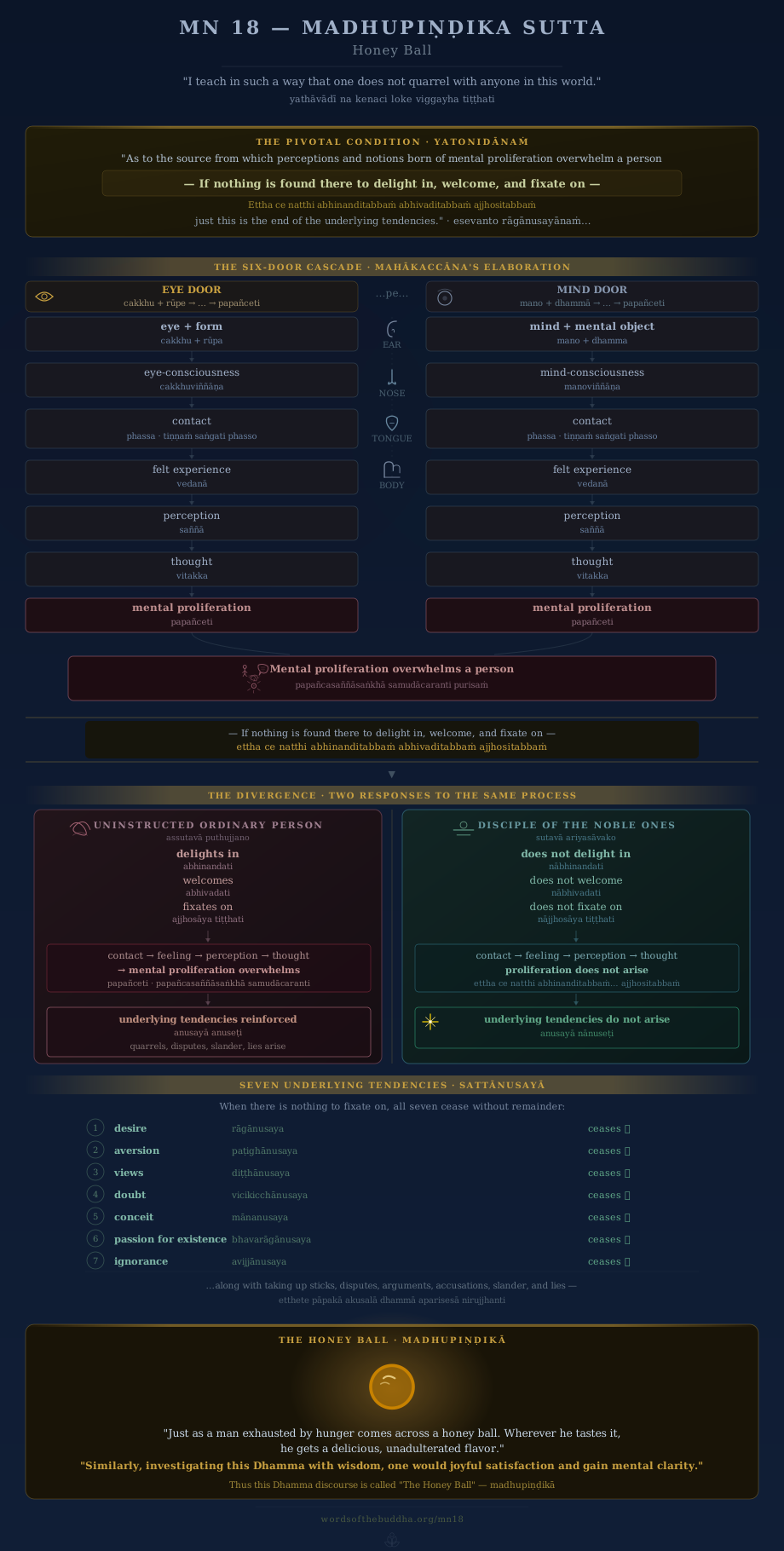
“Yatonidānaṁ, bhikkhu, purisaṁ papañcasaññāsaṅkhā samudācaranti. Ettha ce natthi abhinanditabbaṁ abhivaditabbaṁ ajjhositabbaṁ. Esevanto rāgānusayānaṁ, esevanto paṭighānusayānaṁ, esevanto diṭṭhānusayānaṁ, esevanto vicikicchānusayānaṁ, esevanto mānānusayānaṁ, esevanto bhavarāgānusayānaṁ, esevanto avijjānusayānaṁ, esevanto daṇḍādānasatthādānakalahaviggahavivādatuvaṁtuvaṁpesuññamusāvādānaṁ. Etthete pāpakā akusalā dhammā aparisesā nirujjhantī”ti.
“Bhikkhu, as to the source from which perceptions and notions [born of] mental proliferation overwhelm a person—if nothing is found there to delight in, welcome, and fixate on—just this is the end of the underlying tendency to desire, just this is the end of the underlying tendency to aversion, just this is the end of the underlying tendency to views, just this is the end of the underlying tendency to doubt, just this is the end of the underlying tendency to conceit, just this is the end of the underlying tendency to passion for existence, just this is the end of the underlying tendency to ignorance, just this is the end of taking up sticks and weapons, quarrels, disputes, and arguments, accusations, slander, and lies. It is here that these harmful, unwholesome mental qualities cease without remainder.”
Idamavoca bhagavā. Idaṁ vatvāna sugato uṭṭhāyāsanā vihāraṁ pāvisi.
The Blessed One said this. Having spoken thus, the Accomplished One rose from his seat and entered his dwelling.
Atha kho tesaṁ bhikkhūnaṁ acirapakkantassa bhagavato etadahosi: “idaṁ kho no, āvuso, bhagavā saṅkhittena uddesaṁ uddisitvā, vitthārena atthaṁ avibhajitvā, uṭṭhāyāsanā vihāraṁ paviṭṭho: ‘yatonidānaṁ, bhikkhu, purisaṁ papañcasaññāsaṅkhā samudācaranti. Ettha ce natthi abhinanditabbaṁ abhivaditabbaṁ ajjhositabbaṁ. Esevanto rāgānusayānaṁ …pe… etthete pāpakā akusalā dhammā aparisesā nirujjhantī’ti. Ko nu kho imassa bhagavatā saṅkhittena uddesassa uddiṭṭhassa vitthārena atthaṁ avibhattassa vitthārena atthaṁ vibhajeyyā”ti?
Then, not long after the Blessed One had departed, this thought occurred to the bhikkhus: “Now, friends, the Blessed One has arisen from his seat and entered his dwelling after giving a summary in brief without explaining the meaning in detail, that is: ‘As to the source, bhikkhu, from which perceptions and notions [born of] mental proliferation overwhelm a person—if nothing is found there to delight in, welcome, and fixate on—just this is the end of the underlying tendency to desire, ․․․ It is here that these harmful, unwholesome mental qualities cease without remainder.’ Now, who might explain in detail the meaning of this brief summary given by the Blessed One?”
Atha kho tesaṁ bhikkhūnaṁ etadahosi: “ayaṁ kho āyasmā mahākaccāno satthu ceva saṁvaṇṇito sambhāvito ca viññūnaṁ sabrahmacārīnaṁ. Pahoti cāyasmā mahākaccāno imassa bhagavatā saṅkhittena uddesassa uddiṭṭhassa vitthārena atthaṁ avibhattassa vitthārena atthaṁ vibhajituṁ. Yannūna mayaṁ yenāyasmā mahākaccāno tenupasaṅkameyyāma; upasaṅkamitvā āyasmantaṁ mahākaccānaṁ etamatthaṁ paṭipuccheyyāmā”ti.
Then it occurred to those bhikkhus: “The venerable Mahākaccāna is praised by the Blessed One and esteemed by his wise companions in the spiritual life. Venerable Mahākaccāna is capable of explaining in detail the meaning of this brief summary declared by the Blessed One, which was not explained in full. What if we were to go to the venerable Mahākaccāna, and having approached, question him about this matter?”
Atha kho te bhikkhū yenāyasmā mahākaccāno tenupasaṅkamiṁsu; upasaṅkamitvā āyasmatā mahākaccānena saddhiṁ sammodiṁsu. Sammodanīyaṁ kathaṁ sāraṇīyaṁ vītisāretvā ekamantaṁ nisīdiṁsu. Ekamantaṁ nisinnā kho te bhikkhū āyasmantaṁ mahākaccānaṁ etadavocuṁ: “idaṁ kho no, āvuso kaccāna, bhagavā saṅkhittena uddesaṁ uddisitvā vitthārena atthaṁ avibhajitvā uṭṭhāyāsanā vihāraṁ paviṭṭho: ‘yatonidānaṁ, bhikkhu, purisaṁ papañcasaññāsaṅkhā samudācaranti. Ettha ce natthi abhinanditabbaṁ abhivaditabbaṁ ajjhositabbaṁ. Esevanto rāgānusayānaṁ …pe… etthete pāpakā akusalā dhammā aparisesā nirujjhantī’ti. Tesaṁ no, āvuso kaccāna, amhākaṁ acirapakkantassa bhagavato etadahosi: ‘idaṁ kho no, āvuso, bhagavā saṅkhittena uddesaṁ uddisitvā vitthārena atthaṁ avibhajitvā uṭṭhāyāsanā vihāraṁ paviṭṭho: “yatonidānaṁ, bhikkhu, purisaṁ papañcasaññāsaṅkhā samudācaranti. Ettha ce natthi abhinanditabbaṁ abhivaditabbaṁ ajjhositabbaṁ. Esevanto rāgānusayānaṁ …pe… etthete pāpakā akusalā dhammā aparisesā nirujjhantī”’ti. Ko nu kho imassa bhagavatā saṅkhittena uddesassa uddiṭṭhassa vitthārena atthaṁ avibhattassa vitthārena atthaṁ vibhajeyyāti? Tesaṁ no, āvuso kaccāna, amhākaṁ etadahosi: ‘ayaṁ kho āyasmā mahākaccāno satthu ceva saṁvaṇṇito sambhāvito ca viññūnaṁ sabrahmacārīnaṁ, pahoti cāyasmā mahākaccāno imassa bhagavatā saṅkhittena uddesassa uddiṭṭhassa vitthārena atthaṁ avibhattassa vitthārena atthaṁ vibhajituṁ. Yannūna mayaṁ yenāyasmā mahākaccāno tenupasaṅkameyyāma; upasaṅkamitvā āyasmantaṁ mahākaccānaṁ etamatthaṁ paṭipuccheyyāmā’ti. Vibhajatāyasmā mahākaccāno”ti.
Then those bhikkhus went to the venerable Mahākaccāna. Having approached, they exchanged friendly greetings with the venerable Mahākaccāna. After the exchange of a courteous and polite conversation, they sat down to one side. Seated to one side, those bhikkhus said to the venerable Mahākaccāna: “Friend Kaccāna, the Blessed One just presented a summary in brief, and without explaining the meaning in detail, he rose from his seat and entered his dwelling: ‘As to the source, bhikkhu, from which perceptions and notions [born of] mental proliferation overwhelm a person—if nothing is found there to delight in, welcome, and fixate on—just this is the end of the underlying tendency to desire, ․․․ It is here that these harmful, unwholesome mental qualities cease without remainder.’ Friend Kaccāna, not long after the Blessed One had departed, it occurred to us: ‘Now, friends, the Blessed One has arisen from his seat and entered his dwelling after giving a summary in brief without explaining the meaning in detail, that is: “As to the source, bhikkhu, from which perceptions and notions [born of] mental proliferation overwhelm a person—if nothing is found there to delight in, welcome, and fixate on—just this is the end of the underlying tendency to desire, ․․․ It is here that these harmful, unwholesome mental qualities cease without remainder.”’ Who then, might explain in detail the meaning of this summary declared by the Blessed One, which was not explained in full? Then it occurred to us, friend Kaccāna: ‘The venerable Mahākaccāna is praised by the Blessed One and esteemed by his wise companions in the spiritual life. Venerable Mahākaccāna is capable of explaining in detail the meaning of this brief summary declared by the Blessed One, which was not explained in full. What if we were to go to the venerable Mahākaccāna, and having approached, question him about this matter?’ So, may the venerable Mahākaccāna explain it.”
“Seyyathāpi, āvuso, puriso sāratthiko sāragavesī sārapariyesanaṁ caramāno mahato rukkhassa tiṭṭhato sāravato atikkammeva mūlaṁ, atikkamma khandhaṁ, sākhāpalāse sāraṁ pariyesitabbaṁ maññeyya; evaṁsampadamidaṁ āyasmantānaṁ satthari sammukhībhūte, taṁ bhagavantaṁ atisitvā, amhe etamatthaṁ paṭipucchitabbaṁ maññatha. So hāvuso, bhagavā jānaṁ jānāti, passaṁ passati, cakkhubhūto ñāṇabhūto dhammabhūto brahmabhūto, vattā pavattā, atthassa ninnetā, amatassa dātā, dhammassāmī tathāgato. So ceva panetassa kālo ahosi, yaṁ bhagavantaṁyeva etamatthaṁ paṭipuccheyyātha. Yathā vo bhagavā byākareyya tathā naṁ dhāreyyāthā”ti.
“Friends, it is as though a man desiring heartwood, seeking heartwood, wandering in search of heartwood, were to come upon a great tree, standing possessed of heartwood. Yet having passed over the root, passed over the trunk, he would think to seek heartwood among the branches and leaves. And so it is with you, sirs, when the teacher is present before you, face to face, you think to ask us about this matter, having bypassed the Blessed One. For knowing, the Blessed One knows, seeing, the Blessed One sees—he is vision personified, wisdom personified, Dhamma personified, divine personified. He is the speaker, the proclaimer, the revealer of the meaning, the giver of the deathless, the master of reality, the Tathāgata. That was the time when you should have asked the Blessed One the meaning. As he told you, so you should have remembered it.”
“Addhāvuso kaccāna, bhagavā jānaṁ jānāti, passaṁ passati, cakkhubhūto ñāṇabhūto dhammabhūto brahmabhūto, vattā pavattā, atthassa ninnetā, amatassa dātā, dhammassāmī tathāgato. So ceva panetassa kālo ahosi, yaṁ bhagavantaṁyeva etamatthaṁ paṭipuccheyyāma. Yathā no bhagavā byākareyya tathā naṁ dhāreyyāma. Api cāyasmā mahākaccāno satthu ceva saṁvaṇṇito sambhāvito ca viññūnaṁ sabrahmacārīnaṁ, pahoti cāyasmā mahākaccāno imassa bhagavatā saṅkhittena uddesassa uddiṭṭhassa vitthārena atthaṁ avibhattassa vitthārena atthaṁ vibhajituṁ. Vibhajatāyasmā mahākaccāno agaruṁ katvā”ti.
“Surely, friend Kaccāna, knowing, the Blessed One knows, seeing, the Blessed One sees—he is vision personified, wisdom personified, Dhamma personified, divine personified. He is the speaker, the proclaimer, the revealer of the meaning, the giver of the deathless, the master of reality, the Tathāgata. And that was the time when we should have asked the Blessed One the meaning. As he told us, so we should have remembered it. Yet, the venerable Mahākaccāna is praised by the teacher and esteemed by his wise companions in the spiritual life. Venerable Mahākaccāna is capable of explaining in detail the meaning of this brief summary declared by the Blessed One, which was not explained in full. May the venerable Mahākaccāna explain it in detail without finding it troublesome.”
“Tena hāvuso, suṇātha, sādhukaṁ manasikarotha, bhāsissāmī”ti.
“Then, friends, listen to this and pay close attention; I will speak.”
“Evamāvuso”ti kho te bhikkhū āyasmato mahākaccānassa paccassosuṁ. Āyasmā mahākaccāno etadavoca:
“Yes, friend,” those bhikkhus replied to the venerable Mahākaccāna. The venerable Mahākaccāna said this:
“Yaṁ kho no, āvuso, bhagavā saṅkhittena uddesaṁ uddisitvā vitthārena atthaṁ avibhajitvā uṭṭhāyāsanā vihāraṁ paviṭṭho: ‘yatonidānaṁ, bhikkhu, purisaṁ papañcasaññāsaṅkhā samudācaranti. Ettha ce natthi abhinanditabbaṁ abhivaditabbaṁ ajjhositabbaṁ, esevanto rāgānusayānaṁ …pe… etthete pāpakā akusalā dhammā aparisesā nirujjhantī’ti, imassa kho ahaṁ, āvuso, bhagavatā saṅkhittena uddesassa uddiṭṭhassa vitthārena atthaṁ avibhattassa evaṁ vitthārena atthaṁ ājānāmi—
“Friends, when the Blessed One rose from his seat and entered his dwelling after giving a summary in brief without explaining the meaning in detail, that is: ‘As to the source, bhikkhu, from which perceptions and notions [born of] mental proliferation overwhelm a person—if nothing is found there to delight in, welcome, and fixate on—just this is the end of the underlying tendency to desire, ․․․ It is here that these harmful, unwholesome mental qualities cease without remainder.’—I understand the detailed meaning of it to be as follows—
Cakkhuñcāvuso, paṭicca rūpe ca uppajjati cakkhuviññāṇaṁ, tiṇṇaṁ saṅgati phasso, phassapaccayā vedanā, yaṁ vedeti taṁ sañjānāti, yaṁ sañjānāti taṁ vitakketi, yaṁ vitakketi taṁ papañceti, yaṁ papañceti tatonidānaṁ purisaṁ papañcasaññāsaṅkhā samudācaranti atītānāgatapaccuppannesu cakkhuviññeyyesu rūpesu.
Dependent on the eye and forms, friends, eye-consciousness arises; the meeting of the three is contact. Dependent on contact, there arises felt experience. What one feels, that one perceives; what one perceives, that one thinks about; what one thinks about, that one mentally proliferates. With what one has mentally proliferated as the source, perceptions and notions [born of] mental proliferation overwhelm a person with regard to past, future, and present forms cognizable through the eye.
Sotañcāvuso, paṭicca sadde ca uppajjati sotaviññāṇaṁ …pe…
Dependent on the ear and sounds, friends, ear-consciousness arises; ․․․
ghānañcāvuso, paṭicca gandhe ca uppajjati ghānaviññāṇaṁ …pe…
Dependent on the nose and odors, nose-consciousness arises; ․․․
jivhañcāvuso, paṭicca rase ca uppajjati jivhāviññāṇaṁ …pe…
Dependent on the tongue and tastes, tongue-consciousness arises; ․․․
kāyañcāvuso, paṭicca phoṭṭhabbe ca uppajjati kāyaviññāṇaṁ …pe…
Dependent on the body and tangible objects, body-consciousness arises; ․․․
manañcāvuso, paṭicca dhamme ca uppajjati manoviññāṇaṁ, tiṇṇaṁ saṅgati phasso, phassapaccayā vedanā, yaṁ vedeti taṁ sañjānāti, yaṁ sañjānāti taṁ vitakketi, yaṁ vitakketi taṁ papañceti, yaṁ papañceti tatonidānaṁ purisaṁ papañcasaññāsaṅkhā samudācaranti atītānāgatapaccuppannesu manoviññeyyesu dhammesu.
Dependent on the mind and mental objects, mind-consciousness arises; the meeting of the three is contact. Dependent on contact, there arises felt experience. What one feels, that one perceives; what one perceives, that one thinks about; what one thinks about, that one mentally proliferates. With what one has mentally proliferated as the source, perceptions and notions [born of] mental proliferation overwhelm a person with regard to past, future, and present mental objects cognizable through the mind.
So vatāvuso, cakkhusmiṁ sati rūpe sati cakkhuviññāṇe sati phassapaññattiṁ paññāpessatīti—ṭhānametaṁ vijjati. Phassapaññattiyā sati vedanāpaññattiṁ paññāpessatīti—ṭhānametaṁ vijjati. Vedanāpaññattiyā sati saññāpaññattiṁ paññāpessatīti—ṭhānametaṁ vijjati. Saññāpaññattiyā sati vitakkapaññattiṁ paññāpessatīti—ṭhānametaṁ vijjati. Vitakkapaññattiyā sati papañcasaññāsaṅkhāsamudācaraṇapaññattiṁ paññāpessatīti—ṭhānametaṁ vijjati.
When there is the eye, a form, and eye-consciousness, it is possible to point out what is called contact. When there exists what is called contact, it is possible to point out what is called felt experience. When there exists what is called felt experience, it is possible to point out what is called perception. When there exists what is called perception, it is possible to point out what is called thought. When there exists what is called thought, it is possible to point out what is called being overwhelmed by perceptions and notions [born of] mental proliferation.
So vatāvuso, sotasmiṁ sati sadde sati …pe… ghānasmiṁ sati gandhe sati …pe… jivhāya sati rase sati …pe… kāyasmiṁ sati phoṭṭhabbe sati …pe… manasmiṁ sati dhamme sati manoviññāṇe sati phassapaññattiṁ paññāpessatīti—ṭhānametaṁ vijjati. Phassapaññattiyā sati vedanāpaññattiṁ paññāpessatīti—ṭhānametaṁ vijjati. Vedanāpaññattiyā sati saññāpaññattiṁ paññāpessatīti—ṭhānametaṁ vijjati. Saññāpaññattiyā sati vitakkapaññattiṁ paññāpessatīti—ṭhānametaṁ vijjati. Vitakkapaññattiyā sati papañcasaññāsaṅkhāsamudācaraṇapaññattiṁ paññāpessatīti—ṭhānametaṁ vijjati.
When there is the ear, a sound․․․ When there is the nose, an odor․․․ When there is the tongue, a taste․․․ When there is the body and a tangible object․․․ When there is the mind, a mental object, and mind-consciousness, it is possible to point out what is called contact. When there exists what is called contact, it is possible to point out what is called felt experience. When there exists what is called felt experience, it is possible to point out what is called perception. When there exists what is called perception, it is possible to point out what is called thought. When there exists what is called thought, it is possible to point out what is called being overwhelmed by perceptions and notions [born of] mental proliferation.
So vatāvuso, cakkhusmiṁ asati rūpe asati cakkhuviññāṇe asati phassapaññattiṁ paññāpessatīti—netaṁ ṭhānaṁ vijjati. Phassapaññattiyā asati vedanāpaññattiṁ paññāpessatīti—netaṁ ṭhānaṁ vijjati. Vedanāpaññattiyā asati saññāpaññattiṁ paññāpessatīti—netaṁ ṭhānaṁ vijjati. Saññāpaññattiyā asati vitakkapaññattiṁ paññāpessatīti—netaṁ ṭhānaṁ vijjati. Vitakkapaññattiyā asati papañcasaññāsaṅkhāsamudācaraṇapaññattiṁ paññāpessatīti—netaṁ ṭhānaṁ vijjati.
When there is no eye, no form, and no eye-consciousness, it is not possible to point out what is called contact. When there does not exist what is called contact, it is not possible to point out what is called felt experience. When there does not exist what is called felt experience, it is not possible to point out what is called perception. When there does not exist what is called perception, it is not possible to point out what is called thought. When there does not exist what is called thought, it is not possible to point out what is called being overwhelmed by perceptions and notions [born of] mental proliferation.
So vatāvuso, sotasmiṁ asati sadde asati …pe… ghānasmiṁ asati gandhe asati …pe… jivhāya asati rase asati …pe… kāyasmiṁ asati phoṭṭhabbe asati …pe… manasmiṁ asati dhamme asati manoviññāṇe asati phassapaññattiṁ paññāpessatīti—netaṁ ṭhānaṁ vijjati. Phassapaññattiyā asati vedanāpaññattiṁ paññāpessatīti—netaṁ ṭhānaṁ vijjati. Vedanāpaññattiyā asati saññāpaññattiṁ paññāpessatīti—netaṁ ṭhānaṁ vijjati. Saññāpaññattiyā asati vitakkapaññattiṁ paññāpessatīti—netaṁ ṭhānaṁ vijjati. Vitakkapaññattiyā asati papañcasaññāsaṅkhāsamudācaraṇapaññattiṁ paññāpessatīti—netaṁ ṭhānaṁ vijjati.
When there is no ear, no sound․․․ When there is no nose, no odor․․․ When there is no tongue, no taste․․․ When there is no body, no tangible object․․․ When there is no mind, no mental object, and no mind-consciousness, it is not possible to point out what is called contact. When there does not exist what is called contact, it is not possible to point out what is called felt experience. When there does not exist what is called felt experience, it is not possible to point out what is called perception. When there does not exist what is called perception, it is not possible to point out what is called thought. When there does not exist what is called thought, it is not possible to point out what is called being overwhelmed by perceptions and notions [born of] mental proliferation.
Yaṁ kho no, āvuso, bhagavā saṅkhittena uddesaṁ uddisitvā vitthārena atthaṁ avibhajitvā uṭṭhāyāsanā vihāraṁ paviṭṭho: ‘yatonidānaṁ, bhikkhu, purisaṁ papañcasaññāsaṅkhā samudācaranti ettha ce natthi abhinanditabbaṁ abhivaditabbaṁ ajjhositabbaṁ esevanto rāgānusayānaṁ …pe… etthete pāpakā akusalā dhammā aparisesā nirujjhantī’ti, imassa kho ahaṁ, āvuso, bhagavatā saṅkhittena uddesassa uddiṭṭhassa vitthārena atthaṁ avibhattassa evaṁ vitthārena atthaṁ ājānāmi. Ākaṅkhamānā ca pana tumhe āyasmanto bhagavantaṁyeva upasaṅkamitvā etamatthaṁ paṭipuccheyyātha. Yathā vo bhagavā byākaroti tathā naṁ dhāreyyāthā”ti.
Friends, when the Blessed One rose from his seat and entered his dwelling after giving a summary in brief without explaining the meaning in detail, that is: ‘As to the source, bhikkhu, from which perceptions and notions [born of] mental proliferation overwhelm a person—if nothing is found there to delight in, welcome, and fixate on—just this is the end of the underlying tendency to desire, ․․․ It is here that these harmful, unwholesome mental qualities cease without remainder.’ This, friends, is how I understand in detail the meaning of that brief summary declared by the Blessed One, which was not explained in full. And if you wish, sirs, you may go directly to the Blessed One and ask him about this matter. As the Blessed One explains it to you, so you should remember it.”
Atha kho te bhikkhū āyasmato mahākaccānassa bhāsitaṁ abhinanditvā anumoditvā uṭṭhāyāsanā yena bhagavā tenupasaṅkamiṁsu; upasaṅkamitvā bhagavantaṁ abhivādetvā ekamantaṁ nisīdiṁsu. Ekamantaṁ nisinnā kho te bhikkhū bhagavantaṁ etadavocuṁ: “yaṁ kho no, bhante, bhagavā saṅkhittena uddesaṁ uddisitvā vitthārena atthaṁ avibhajitvā uṭṭhāyāsanā vihāraṁ paviṭṭho: ‘yatonidānaṁ, bhikkhu, purisaṁ papañcasaññāsaṅkhā samudācaranti. Ettha ce natthi abhinanditabbaṁ abhivaditabbaṁ ajjhositabbaṁ. Esevanto rāgānusayānaṁ …pe… etthete pāpakā akusalā dhammā aparisesā nirujjhantī’ti. Tesaṁ no, bhante, amhākaṁ acirapakkantassa bhagavato etadahosi: ‘idaṁ kho no, āvuso, bhagavā saṅkhittena uddesaṁ uddisitvā vitthārena atthaṁ avibhajitvā uṭṭhāyāsanā vihāraṁ paviṭṭho: “yatonidānaṁ, bhikkhu, purisaṁ papañcasaññāsaṅkhā samudācaranti. Ettha ce natthi abhinanditabbaṁ abhivaditabbaṁ ajjhositabbaṁ. Esevanto rāgānusayānaṁ, esevanto paṭighānusayānaṁ, esevanto diṭṭhānusayānaṁ, esevanto vicikicchānusayānaṁ, esevanto mānānusayānaṁ, esevanto bhavarāgānusayānaṁ, esevanto avijjānusayānaṁ, esevanto daṇḍādānasatthādānakalahaviggahavivādatuvaṁtuvaṁpesuññamusāvādānaṁ. Etthete pāpakā akusalā dhammā aparisesā nirujjhantī”ti. Ko nu kho imassa bhagavatā saṅkhittena uddesassa uddiṭṭhassa vitthārena atthaṁ avibhattassa vitthārena atthaṁ vibhajeyyā’ti? Tesaṁ no, bhante, amhākaṁ etadahosi: ‘ayaṁ kho āyasmā mahākaccāno satthu ceva saṁvaṇṇito sambhāvito ca viññūnaṁ sabrahmacārīnaṁ, pahoti cāyasmā mahākaccāno imassa bhagavatā saṅkhittena uddesassa uddiṭṭhassa vitthārena atthaṁ avibhattassa vitthārena atthaṁ vibhajituṁ, yannūna mayaṁ yenāyasmā mahākaccāno tenupasaṅkameyyāma; upasaṅkamitvā āyasmantaṁ mahākaccānaṁ etamatthaṁ paṭipuccheyyāmā’ti. Atha kho mayaṁ, bhante, yenāyasmā mahākaccāno tenupasaṅkamimha; upasaṅkamitvā āyasmantaṁ mahākaccānaṁ etamatthaṁ paṭipucchimha. Tesaṁ no, bhante, āyasmatā mahākaccānena imehi ākārehi imehi padehi imehi byañjanehi attho vibhatto”ti.
Then those bhikkhus, having delighted in and being pleased with the venerable Mahākaccāna’s words, rose from their seats and went to the Blessed One. Having drawn near, they paid homage to the Blessed One and sat down to one side. Seated to one side, the bhikkhus said to the Blessed One: “Venerable sir, when the Blessed One rose from his seat and entered his dwelling after giving a summary in brief without explaining the meaning in detail, that is: ‘As to the source, bhikkhu, from which perceptions and notions [born of] mental proliferation overwhelm a person—if nothing is found there to delight in, welcome, and fixate on—just this is the end of the underlying tendency to desire, ․․․ It is here that these harmful, unwholesome mental qualities cease without remainder.’ Not long after the Blessed One had departed, venerable sir, this thought occurred to us: ‘This is that brief summary given by the Blessed One, without explanation of its detailed meaning: “As to the source, bhikkhu, from which perceptions and notions [born of] mental proliferation overwhelm a person—if nothing is found there to delight in, welcome, and fixate on—just this is the end of the underlying tendency to desire, just this is the end of the underlying tendency to aversion, just this is the end of the underlying tendency to views, just this is the end of the underlying tendency to doubt, just this is the end of the underlying tendency to conceit, just this is the end of the underlying tendency to passion for existence, just this is the end of the underlying tendency to ignorance, just this is the end of taking up sticks and weapons, quarrels, disputes, and arguments, accusations, slander, and lies. It is here that these harmful, unwholesome mental qualities cease without remainder.” Who, then, might explain in detail the meaning of this summary given by the Blessed One? Then, venerable sir, this occurred to us: ‘The venerable Mahākaccāna is praised by the Blessed One and esteemed by wise fellow practitioners. He is capable of explaining in detail the meaning of this summary spoken briefly by the Blessed One, which was not explained in full. What if we were to go to the venerable Mahākaccāna, and having approached, question him about this matter?’ So we approached the venerable Mahākaccāna and asked him about the matter. And the venerable Mahākaccāna explained the meaning to us with these very terms, statements, and expressions.”
“Paṇḍito, bhikkhave, mahākaccāno; mahāpañño, bhikkhave, mahākaccāno. Mañcepi tumhe, bhikkhave, etamatthaṁ paṭipuccheyyātha, ahampi taṁ evamevaṁ byākareyyaṁ yathā taṁ mahākaccānena byākataṁ. Eso cevetassa attho. Evañca naṁ dhārethā”ti.
“Mahākaccāna is wise. Mahākaccāna possesses great wisdom. If you had asked me about this matter, I would have explained it in the exact same way that Mahākaccāna has explained it. Such is the meaning of that, and so you should remember it.”
Evaṁ vutte, āyasmā ānando bhagavantaṁ etadavoca: “seyyathāpi, bhante, puriso jighacchādubbalyapareto madhupiṇḍikaṁ adhigaccheyya, so yato yato sāyeyya, labhetheva sādurasaṁ asecanakaṁ.
When this was said, the venerable Ānanda said to the Blessed One: “Venerable sir, just as if a person exhausted by hunger and weakness came upon a honey ball, wherever he would taste it, he would find a delicious unadulterated flavor.
Evameva kho, bhante, cetaso bhikkhu dabbajātiko, yato yato imassa dhammapariyāyassa paññāya atthaṁ upaparikkheyya, labhetheva attamanataṁ, labhetheva cetaso pasādaṁ. Ko nāmo ayaṁ, bhante, dhammapariyāyo”ti?
So too, venerable sir, any capable bhikkhu, wherever he might examine with wisdom the meaning of this Dhamma discourse, would find joyful satisfaction and gain mental clarity. Venerable sir, what is the name of this Dhamma discourse?”
“Tasmātiha tvaṁ, ānanda, imaṁ dhammapariyāyaṁ madhupiṇḍikapariyāyotveva naṁ dhārehī”ti.
“As to that, Ānanda, you may remember this Dhamma discourse as ‘The honey ball discourse.’”
Idamavoca bhagavā. Attamano āyasmā ānando bhagavato bhāsitaṁ abhinandīti.
The Blessed One said this. The venerable Ānanda was delighted and pleased with the Blessed One’s words.