“Tayome, bhikkhave, dhammā loke na saṁvijjeyyuṁ, na tathāgato loke uppajjeyya arahaṁ sammāsambuddho, na tathāgatappavedito dhammavinayo loke dibbeyya. Katame tayo? Jāti ca, jarā ca, maraṇañca— ime kho, bhikkhave, tayo dhammā loke na saṁvijjeyyuṁ, na tathāgato loke uppajjeyya arahaṁ sammāsambuddho, na tathāgatappavedito dhammavinayo loke dibbeyya. Yasmā ca kho, bhikkhave, ime tayo dhammā loke saṁvijjanti tasmā tathāgato loke uppajjati arahaṁ sammāsambuddho, tasmā tathāgatappavedito dhammavinayo loke dibbati.
“Bhikkhus, if these three things were not found in the world, the |Tathāgata::one who has arrived at the truth, an epithet of a perfectly Awakened One [tathāgata]|, the |Arahant::a worthy one, a fully awakened being, epithet of the Buddha [arahant]|, the perfectly Awakened One would not arise in the world, nor would the |Dhamma::teachings of the Buddha that point to the nature of reality, the ultimate truth [dhamma]| and |Vinaya::code of monastic discipline rules, training [vinaya]| proclaimed by the Tathāgata shine in the world. What are the three? Birth, old age, and death. If these three things, bhikkhus, were not found in the world, the Tathāgata, the Arahant, the perfectly Awakened One would not arise in the world, nor would the Dhamma and Vinaya proclaimed by the Tathāgata shine in the world. But because these three things are found in the world, the Tathāgata, the Arahant, the perfectly Awakened One arises in the world, and the Dhamma and Vinaya proclaimed by the Tathāgata shines in the world.
Tayome, bhikkhave, dhamme appahāya abhabbo jātiṁ pahātuṁ jaraṁ pahātuṁ maraṇaṁ pahātuṁ. Katame tayo? Rāgaṁ appahāya, dosaṁ appahāya, mohaṁ appahāya— ime kho, bhikkhave, tayo dhamme appahāya abhabbo jātiṁ pahātuṁ jaraṁ pahātuṁ maraṇaṁ pahātuṁ.
Without |giving up::abandoning;lit. to be actively abandoned [pahāya]| three things, bhikkhus, one is |incapable of::unable in; lit. not to be [abhabba]| giving up birth, old age, and death. What three? Not giving up |passion::intense desire, strong emotion, infatuation, obsession, lust [rāga]|, not giving up |aversion::hatred, hostility, mental attitude of rejection, fault-finding, resentful disapproval [dosa]|, and not giving up |delusion::illusion, misperception, erroneous belief, false idea, misapprehension; a fundamental distortion of reality that sustains confusion, clouds discernment, and fuels further doubt [moha]|. Without giving up these three things, bhikkhus, one is incapable of giving up birth, old age, and death.
Tayome, bhikkhave, dhamme appahāya abhabbo rāgaṁ pahātuṁ dosaṁ pahātuṁ mohaṁ pahātuṁ. Katame tayo? Sakkāyadiṭṭhiṁ appahāya, vicikicchaṁ appahāya, sīlabbataparāmāsaṁ appahāya— ime kho, bhikkhave, tayo dhamme appahāya abhabbo rāgaṁ pahātuṁ dosaṁ pahātuṁ mohaṁ pahātuṁ.
Without giving up three things, bhikkhus, one is incapable of giving up passion, aversion, and delusion. What three? Not giving up |personal existence view::the view of being someone; regarding any of the five aggregates as a self, possessed by a self, containing a self, or contained within a self [sakkāyadiṭṭhi]|, not giving up |doubt::uncertainty, indecisiveness wrt suffering, its arising, its ending, and the way of practice leading to the end of suffering [vicikiccha]|, and not giving up |clinging to rules and observances::clinging to precepts and practices, adherence to rites and rituals [sīlabbataparāmāsa]|. Without giving up these three things, bhikkhus, one is incapable of giving up passion, aversion, and delusion.
Tayome, bhikkhave, dhamme appahāya abhabbo sakkāyadiṭṭhiṁ pahātuṁ vicikicchaṁ pahātuṁ sīlabbataparāmāsaṁ pahātuṁ. Katame tayo? Ayonisomanasikāraṁ appahāya, kummaggasevanaṁ appahāya, cetaso līnattaṁ appahāya— ime kho, bhikkhave, tayo dhamme appahāya abhabbo sakkāyadiṭṭhiṁ pahātuṁ vicikicchaṁ pahātuṁ sīlabbataparāmāsaṁ pahātuṁ.
Without giving up three things, bhikkhus, one is incapable of giving up personal existence view, doubt, and clinging to rules and observances. What three? Not giving up |unwise attention::improper attention, imprudent use of the mind; lit. not attending to where contact is arising [ayonisomanasikāra]|, not giving up |following a wrong path::going the wrong way [kummaggasevanā]|, and not giving up |sluggishness::stickiness, inertia [līnatta]| of mind. Without giving up these three things, bhikkhus, one is incapable of giving up personal existence view, doubt, and clinging to rules and observances.
Tayome, bhikkhave, dhamme appahāya abhabbo ayoniso manasikāraṁ pahātuṁ kummaggasevanaṁ pahātuṁ cetaso līnattaṁ pahātuṁ. Katame tayo? Muṭṭhassaccaṁ appahāya, asampajaññaṁ appahāya, cetaso vikkhepaṁ appahāya— ime kho, bhikkhave, tayo dhamme appahāya abhabbo ayonisomanasikāraṁ pahātuṁ kummaggasevanaṁ pahātuṁ cetaso līnattaṁ pahātuṁ.
Without giving up three things, bhikkhus, one is incapable of giving up unwise attention, following a wrong path, and sluggishness of mind. What three? Not giving up |forgetfulness::the quality or state of being unmindful [muṭṭhassacca]|, not giving up |lack of clear awareness::lack of attentiveness, lack of clear comprehension [asampajañña]|, and not giving up |scattering of mind::mental distraction [cetaso vikkhepa]|. Without giving up these three things, bhikkhus, one is incapable of giving up unwise attention, following a wrong path, and sluggishness of mind.
Tayome, bhikkhave, dhamme appahāya abhabbo muṭṭhassaccaṁ pahātuṁ asampajaññaṁ pahātuṁ cetaso vikkhepaṁ pahātuṁ. Katame tayo? Ariyānaṁ adassanakamyataṁ appahāya, ariyadhammassa asotukamyataṁ appahāya, upārambhacittataṁ appahāya— ime kho, bhikkhave, tayo dhamme appahāya abhabbo muṭṭhassaccaṁ pahātuṁ asampajaññaṁ pahātuṁ cetaso vikkhepaṁ pahātuṁ.
Without giving up three things, bhikkhus, one is incapable of giving up forgetfulness, lack of clear awareness, and scattering of mind. What three? |Lack of desire to see::not wishing to see [adassanakamyatā]| the Noble Ones, |lack of desire to hear::not wishing to hear [asotukamyatā]| the |Noble Dhamma::teaching of the Noble Ones [ariyadhamma]|, and not giving up a |fault-finding attitude::critical attitude [upārambhacittatā]|. Without giving up these three things, bhikkhus, one is incapable of giving up forgetfulness, lack of clear awareness, and scattering of mind.
Tayome, bhikkhave, dhamme appahāya abhabbo ariyānaṁ adassanakamyataṁ pahātuṁ ariyadhammassa asotukamyataṁ pahātuṁ upārambhacittataṁ pahātuṁ. Katame tayo? Uddhaccaṁ appahāya, asaṁvaraṁ appahāya, dussilyaṁ appahāya— ime kho, bhikkhave, tayo dhamme appahāya abhabbo ariyānaṁ adassanakamyataṁ pahātuṁ ariyadhammassa asotukamyataṁ pahātuṁ upārambhacittataṁ pahātuṁ.
Without giving up three things, bhikkhus, one is incapable of giving up lack of desire to see the Noble Ones, lack of desire to hear the Noble Dhamma, and a fault-finding attitude. What three? Not giving up |restlessness::mental agitation, distraction, excitement [uddhacca]|, not giving up |lack of restraint::no control, non-restraint [asaṁvara]|, and not giving up |unprincipled behavior::immoral or unethical conduct; lit. bad behaviour state [dussilya]|. Without giving up these three things, bhikkhus, one is incapable of giving up lack of desire to see the Noble Ones, lack of desire to hear the Noble Dhamma, and a fault-finding attitude.
Tayome, bhikkhave, dhamme appahāya abhabbo uddhaccaṁ pahātuṁ asaṁvaraṁ pahātuṁ dussilyaṁ pahātuṁ. Katame tayo? Assaddhiyaṁ appahāya, avadaññutaṁ appahāya, kosajjaṁ appahāya— ime kho, bhikkhave, tayo dhamme appahāya abhabbo uddhaccaṁ pahātuṁ asaṁvaraṁ pahātuṁ dussilyaṁ pahātuṁ.
Without giving up three things, bhikkhus, one is incapable of giving up lack of desire to see the Noble Ones, lack of desire to hear the Noble Dhamma, and a fault-finding attitude. What three? Not giving up |disbelief::attitude of skepticism, faithlessness, lack of conviction [assaddhiya]|, not giving up |uncharitableness::stinginess, ungenerousness [avadaññutā]|, and not giving up |idleness::A behavioral and mental condition characterized by passivity, inertia, and disengagement from effort. It denotes the absence or collapse of energy, manifesting as neglect of duties or wholesome pursuits. [kosajja]|. Without giving up these three things, bhikkhus, one is incapable of giving up lack of desire to see the Noble Ones, lack of desire to hear the Noble Dhamma, and a fault-finding attitude.
Tayome, bhikkhave, dhamme appahāya abhabbo assaddhiyaṁ pahātuṁ avadaññutaṁ pahātuṁ kosajjaṁ pahātuṁ. Katame tayo? Anādariyaṁ appahāya, dovacassataṁ appahāya, pāpamittataṁ appahāya— ime kho, bhikkhave, tayo dhamme appahāya abhabbo assaddhiyaṁ pahātuṁ avadaññutaṁ pahātuṁ kosajjaṁ pahātuṁ.
Without giving up three things, bhikkhus, one is incapable of giving up disbelief, uncharitableness, and idleness. What three? Not giving up |disrespect::contemptuousness, rudeness [anādariya]|, not giving up |unruliness::not being amenable to verbal correction; lit. hard to talk to state [dovacassatā]|, and not giving up |bad friendship::friendship with unwholesome persons [pāpamittatā]|. Without giving up these three things, bhikkhus, one is incapable of giving up disbelief, uncharitableness, and idleness.
Tayome, bhikkhave, dhamme appahāya abhabbo anādariyaṁ pahātuṁ dovacassataṁ pahātuṁ pāpamittataṁ pahātuṁ. Katame tayo? Ahirikaṁ appahāya, anottappaṁ appahāya, pamādaṁ appahāya— ime kho, bhikkhave, tayo dhamme appahāya abhabbo anādariyaṁ pahātuṁ dovacassataṁ pahātuṁ pāpamittataṁ pahātuṁ.
Without giving up three things, bhikkhus, one is incapable of giving up disrespect, unruliness, and bad friendship. What three? Not giving up |shamelessness::lack of conscience [ahirika]|, not giving up |moral recklessness::fearlessness of wrongdoing, lack of prudence [anottappa]|, and not giving up |negligence::carelessness, heedlessness [pamāda]|. Without giving up these three things, bhikkhus, one is incapable of giving up disrespect, unruliness, and bad friendship.
Ahirikoyaṁ, bhikkhave, anottāpī pamatto hoti. So pamatto samāno abhabbo anādariyaṁ pahātuṁ dovacassataṁ pahātuṁ pāpamittataṁ pahātuṁ. So pāpamitto samāno abhabbo assaddhiyaṁ pahātuṁ avadaññutaṁ pahātuṁ kosajjaṁ pahātuṁ. So kusīto samāno abhabbo uddhaccaṁ pahātuṁ asaṁvaraṁ pahātuṁ dussilyaṁ pahātuṁ. So dussīlo samāno abhabbo ariyānaṁ adassanakamyataṁ pahātuṁ ariyadhammassa asotukamyataṁ pahātuṁ upārambhacittataṁ pahātuṁ. So upārambhacitto samāno abhabbo muṭṭhassaccaṁ pahātuṁ asampajaññaṁ pahātuṁ cetaso vikkhepaṁ pahātuṁ. So vikkhittacitto samāno abhabbo ayonisomanasikāraṁ pahātuṁ kummaggasevanaṁ pahātuṁ cetaso līnattaṁ pahātuṁ. So līnacitto samāno abhabbo sakkāyadiṭṭhiṁ pahātuṁ vicikicchaṁ pahātuṁ sīlabbataparāmāsaṁ pahātuṁ. So vicikiccho samāno abhabbo rāgaṁ pahātuṁ dosaṁ pahātuṁ mohaṁ pahātuṁ. So rāgaṁ appahāya dosaṁ appahāya mohaṁ appahāya abhabbo jātiṁ pahātuṁ jaraṁ pahātuṁ maraṇaṁ pahātuṁ.
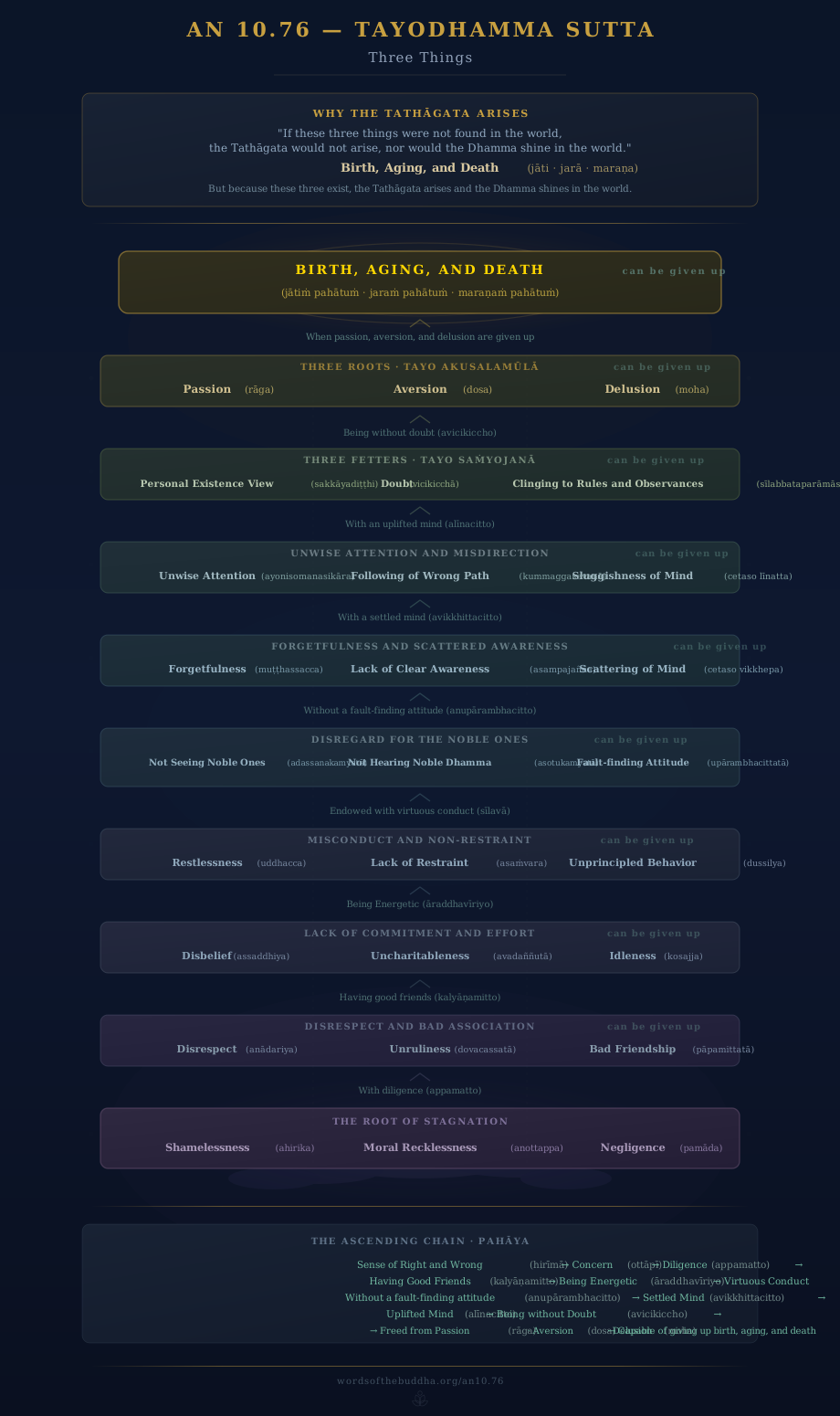
A shameless and morally reckless person is negligent. Being negligent, they are incapable of giving up disrespect, unruliness, and bad friendship. Being a bad friend, they are incapable of giving up disbelief, uncharitableness, and idleness. Being idle, they are incapable of giving up restlessness, lack of restraint, and unprincipled behavior. Being unprincipled, they are incapable of giving up lack of desire to see the Noble Ones, lack of desire to hear the Noble Dhamma, and a fault-finding attitude. Having a fault-finding attitude, they are incapable of giving up forgetfulness, lack of clear awareness, and scattering of mind. Being of scattered mind, they are incapable of giving up unwise attention, following a wrong path, and sluggishness of mind. Having a sluggish mind, they are incapable of giving up personal existence view, doubt, and clinging to rules and observances. Having doubt, they are incapable of giving up passion, aversion, and delusion. Without giving up passion, aversion, and delusion, they are incapable of giving up birth, old age, and death.
Tayome, bhikkhave, dhamme pahāya bhabbo jātiṁ pahātuṁ jaraṁ pahātuṁ maraṇaṁ pahātuṁ. Katame tayo? Rāgaṁ pahāya, dosaṁ pahāya, mohaṁ pahāya— ime kho, bhikkhave, tayo dhamme pahāya bhabbo jātiṁ pahātuṁ jaraṁ pahātuṁ maraṇaṁ pahātuṁ.
By giving up three things, bhikkhus, one is capable of giving up birth, old age, and death. What three? Giving up passion, giving up aversion, and giving up delusion. By giving up these three things, bhikkhus, one is capable of giving up birth, old age, and death.
Tayome, bhikkhave, dhamme pahāya bhabbo rāgaṁ pahātuṁ dosaṁ pahātuṁ mohaṁ pahātuṁ. Katame tayo? Sakkāyadiṭṭhiṁ pahāya, vicikicchaṁ pahāya, sīlabbataparāmāsaṁ pahāya— ime kho, bhikkhave, tayo dhamme pahāya bhabbo rāgaṁ pahātuṁ dosaṁ pahātuṁ mohaṁ pahātuṁ.
By giving up three things, bhikkhus, one is capable of giving up passion, aversion, and delusion. What three? Giving up personal existence view, giving up doubt, and giving up clinging to rules and observances. By giving up these three things, bhikkhus, one is capable of giving up passion, aversion, and delusion.
Tayome, bhikkhave, dhamme pahāya bhabbo sakkāyadiṭṭhiṁ pahātuṁ vicikicchaṁ pahātuṁ sīlabbataparāmāsaṁ pahātuṁ. Katame tayo? Ayonisomanasikāraṁ pahāya, kummaggasevanaṁ pahāya, cetaso līnattaṁ pahāya— ime kho, bhikkhave, tayo dhamme pahāya bhabbo sakkāyadiṭṭhiṁ pahātuṁ vicikicchaṁ pahātuṁ sīlabbataparāmāsaṁ pahātuṁ.
By giving up three things, bhikkhus, one is capable of giving up personal existence view, doubt, and clinging to rules and observances. What three? Giving up unwise attention, giving up following a wrong path, and giving up sluggishness of mind. By giving up these three things, bhikkhus, one is capable of giving up personal existence view, doubt, and clinging to rules and observances.
Tayome, bhikkhave, dhamme pahāya bhabbo ayonisomanasikāraṁ pahātuṁ kummaggasevanaṁ pahātuṁ cetaso līnattaṁ pahātuṁ. Katame tayo? Muṭṭhassaccaṁ pahāya, asampajaññaṁ pahāya, cetaso vikkhepaṁ pahāya— ime kho, bhikkhave, tayo dhamme pahāya bhabbo ayonisomanasikāraṁ pahātuṁ kummaggasevanaṁ pahātuṁ cetaso līnattaṁ pahātuṁ.
By giving up three things, bhikkhus, one is capable of giving up unwise attention, following a wrong path, and sluggishness of mind. What three? Giving up forgetfulness, giving up lack of clear awareness, and giving up scattering of mind. By giving up these three things, bhikkhus, one is capable of giving up unwise attention, following a wrong path, and sluggishness of mind.
Tayome, bhikkhave, dhamme pahāya bhabbo muṭṭhassaccaṁ pahātuṁ asampajaññaṁ pahātuṁ cetaso vikkhepaṁ pahātuṁ. Katame tayo? Ariyānaṁ adassanakamyataṁ pahāya, ariyadhammassa asotukamyataṁ pahāya, upārambhacittataṁ pahāya— ime kho, bhikkhave, tayo dhamme pahāya bhabbo muṭṭhassaccaṁ pahātuṁ asampajaññaṁ pahātuṁ cetaso vikkhepaṁ pahātuṁ.
By giving up three things, bhikkhus, one is capable of giving up forgetfulness, lack of clear awareness, and scattering of mind. What three? Giving up lack of desire to see the Noble Ones, giving up lack of desire to hear the Noble Dhamma, and giving up a fault-finding attitude. By giving up these three things, bhikkhus, one is capable of giving up forgetfulness, lack of clear awareness, and scattering of mind.
Tayome, bhikkhave, dhamme pahāya bhabbo ariyānaṁ adassanakamyataṁ pahātuṁ ariyadhammassa asotukamyataṁ pahātuṁ upārambhacittataṁ pahātuṁ. Katame tayo? Uddhaccaṁ pahāya, asaṁvaraṁ pahāya, dussilyaṁ pahāya— ime kho, bhikkhave, tayo dhamme pahāya bhabbo ariyānaṁ adassanakamyataṁ pahātuṁ ariyadhammassa asotukamyataṁ pahātuṁ upārambhacittataṁ pahātuṁ.
By giving up three things, bhikkhus, one is capable of giving up lack of desire to see the Noble Ones, lack of desire to hear the Noble Dhamma, and a fault-finding attitude. What three? Giving up restlessness, giving up lack of restraint, and giving up unprincipled behavior. By giving up these three things, bhikkhus, one is capable of giving up lack of desire to see the Noble Ones, lack of desire to hear the Noble Dhamma, and a fault-finding attitude.
Tayome, bhikkhave, dhamme pahāya bhabbo uddhaccaṁ pahātuṁ asaṁvaraṁ pahātuṁ dussilyaṁ pahātuṁ. Katame tayo? Assaddhiyaṁ pahāya, avadaññutaṁ pahāya, kosajjaṁ pahāya— ime kho, bhikkhave, tayo dhamme pahāya bhabbo uddhaccaṁ pahātuṁ asaṁvaraṁ pahātuṁ dussilyaṁ pahātuṁ.
By giving up three things, bhikkhus, one is capable of giving up restlessness, lack of restraint, and unprincipled behavior. What three? Giving up disbelief, giving up uncharitableness, and giving up idleness. By giving up these three things, bhikkhus, one is capable of giving up restlessness, lack of restraint, and unprincipled behavior.
Tayome, bhikkhave, dhamme pahāya bhabbo assaddhiyaṁ pahātuṁ avadaññutaṁ pahātuṁ kosajjaṁ pahātuṁ. Katame tayo? Anādariyaṁ pahāya, dovacassataṁ pahāya, pāpamittataṁ pahāya— ime kho, bhikkhave, tayo dhamme pahāya bhabbo assaddhiyaṁ pahātuṁ avadaññutaṁ pahātuṁ kosajjaṁ pahātuṁ.
By giving up three things, bhikkhus, one is capable of giving up disbelief, uncharitableness, and idleness. What three? Giving up disrespect, giving up unruliness, and giving up bad friendship. By giving up these three things, bhikkhus, one is capable of giving up disbelief, uncharitableness, and idleness.
Tayome, bhikkhave, dhamme pahāya bhabbo anādariyaṁ pahātuṁ dovacassataṁ pahātuṁ pāpamittataṁ pahātuṁ. Katame tayo? Ahirikaṁ pahāya, anottappaṁ pahāya, pamādaṁ pahāya— ime kho, bhikkhave, tayo dhamme pahāya bhabbo anādariyaṁ pahātuṁ dovacassataṁ pahātuṁ pāpamittataṁ pahātuṁ.
By giving up three things, bhikkhus, one is capable of giving up disrespect, unruliness, and bad friendship. What three? Giving up shamelessness, giving up moral recklessness, and giving up negligence. By giving up these three things, bhikkhus, one is capable of giving up disrespect, unruliness, and bad friendship.
Hirīmāyaṁ, bhikkhave, ottāpī appamatto hoti. So appamatto samāno bhabbo anādariyaṁ pahātuṁ dovacassataṁ pahātuṁ pāpamittataṁ pahātuṁ. So kalyāṇamitto samāno bhabbo assaddhiyaṁ pahātuṁ avadaññutaṁ pahātuṁ kosajjaṁ pahātuṁ. So āraddhavīriyo samāno bhabbo uddhaccaṁ pahātuṁ asaṁvaraṁ pahātuṁ dussilyaṁ pahātuṁ. So sīlavā samāno bhabbo ariyānaṁ adassanakamyataṁ pahātuṁ ariyadhammassa asotukamyataṁ pahātuṁ upārambhacittataṁ pahātuṁ. So anupārambhacitto samāno bhabbo muṭṭhassaccaṁ pahātuṁ asampajaññaṁ pahātuṁ cetaso vikkhepaṁ pahātuṁ. So avikkhittacitto samāno bhabbo ayonisomanasikāraṁ pahātuṁ kummaggasevanaṁ pahātuṁ cetaso līnattaṁ pahātuṁ. So alīnacitto samāno bhabbo sakkāyadiṭṭhiṁ pahātuṁ vicikicchaṁ pahātuṁ sīlabbataparāmāsaṁ pahātuṁ. So avicikiccho samāno bhabbo rāgaṁ pahātuṁ dosaṁ pahātuṁ mohaṁ pahātuṁ. So rāgaṁ pahāya dosaṁ pahāya mohaṁ pahāya bhabbo jātiṁ pahātuṁ jaraṁ pahātuṁ maraṇaṁ pahātun”ti.
A person |with a sense of right and wrong::having conscience [hirīmant]| and concern is |diligent::doing one’s work or duty well, with alertness, carefulness and care [appamatta]|. Being diligent, they are capable of giving up disrespect, unruliness, and bad friendship. Having good friends, they are capable of giving up disbelief, uncharitableness, and idleness. Being energetic, they are capable of giving up restlessness, lack of restraint, and unprincipled behavior. Being |virtuous::ethical, moral [sīlavant]|, they are capable of giving up lack of desire to see the Noble Ones, lack of desire to hear the Noble Dhamma, and a fault-finding attitude. When the attitude of fault-finding is given up, they are capable of giving up forgetfulness, lack of clear awareness, and scattering of mind. |With a settled mind::With an unscattered mind [avikkhittacitta]|, they are capable of giving up unwise attention, following a wrong path, and sluggishness of mind. |With an uplifted mind::With an unsluggish mind; lit. not sticky mind [alīnacitta]|, they are capable of giving up personal existence view, doubt, and clinging to rules and observances. Being without doubt, they are capable of giving up passion, aversion, and delusion. By giving up passion, aversion, and delusion, they are capable of giving up birth, old age, and death.”