“Pañcimāni, bhikkhave, vimuttāyatanāni yattha bhikkhuno appamattassa ātāpino pahitattassa viharato avimuttaṁ vā cittaṁ vimuccati, aparikkhīṇā vā āsavā parikkhayaṁ gacchanti, ananuppattaṁ vā anuttaraṁ yogakkhemaṁ anupāpuṇāti. Katamāni pañca?
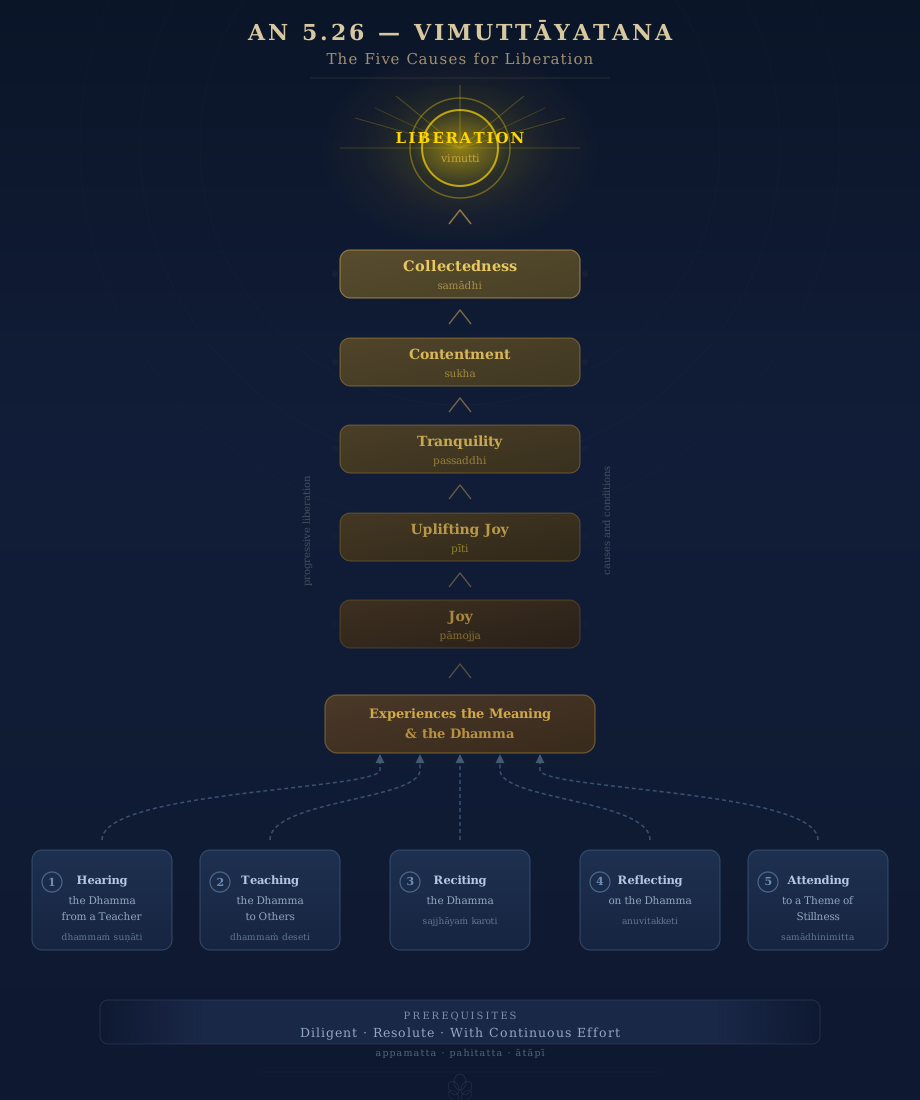
“Bhikkhus, there are these five causes for liberation wherein, for a bhikkhu who is |diligent::doing one’s work or duty well, with alertness, carefulness and care [appamatta]|, |resolute::determined, intent [pahitatta]|, and |with continuous effort::ardent, zealous, with energy, with application [ātāpī]| in practice, the unliberated mind is liberated, the unexhausted taints reach |complete exhaustion::gradual and complete wearing away [parikkhaya]|, and he reaches the as-yet-unreached |unsurpassed::highest, incomparable [anuttara]| security from bondage. What five?
Idha, bhikkhave, bhikkhuno satthā dhammaṁ deseti aññataro vā garuṭṭhāniyo sabrahmacārī. Yathā yathā, bhikkhave, tassa bhikkhuno satthā dhammaṁ deseti, aññataro vā garuṭṭhāniyo sabrahmacārī tathā tathā so tasmiṁ dhamme atthapaṭisaṁvedī ca hoti dhammapaṭisaṁvedī ca. Tassa atthapaṭisaṁvedino dhammapaṭisaṁvedino pāmojjaṁ jāyati. Pamuditassa pīti jāyati. Pītimanassa kāyo passambhati. Passaddhakāyo sukhaṁ vedeti. Sukhino cittaṁ samādhiyati. Idaṁ, bhikkhave, paṭhamaṁ vimuttāyatanaṁ yattha bhikkhuno appamattassa ātāpino pahitattassa viharato avimuttaṁ vā cittaṁ vimuccati, aparikkhīṇā vā āsavā parikkhayaṁ gacchanti, ananuppattaṁ vā anuttaraṁ yogakkhemaṁ anupāpuṇāti.
1.) Here, bhikkhus, the Teacher or a spiritual companion standing in place of teacher teaches the |Dhamma::teachings of the Buddha that point to the nature of reality, the ultimate truth [dhamma]| to a bhikkhu. In whatever way the Teacher or a spiritual companion standing in place of teacher teaches the Dhamma to that bhikkhu, in just that way he experiences the meaning and experiences the Dhamma. In one who experiences the meaning and experiences the Dhamma, |joy::cheerfulness, gladness; a fresh and mild happiness arising from a sense of spiritual well-being and a clear conscience [pāmojja]| arises. When one is joyful, |uplifting joy::mental exhilaration; it ranges from a gentle delight to overwhelming rapture [pīti]| arises. In one whose mind is filled with uplifting joy, the body |becomes tranquil::calms down, relaxes [passambhati]|. One tranquil in body dwells in |contentment::ease, happiness, pleasant abiding [sukha]|. The mind of one who dwells in contentment |becomes collected::is calmed, becomes composed, becomes stable [samādhiyati]|. This, bhikkhus, is the first cause for liberation wherein, for a bhikkhu who is diligent, resolute, and with continuous effort in practice, the unliberated mind is liberated, the unexhausted taints reach complete exhaustion, and he reaches the as-yet-unreached unsurpassed security from bondage.
Puna caparaṁ, bhikkhave, bhikkhuno na heva kho satthā dhammaṁ deseti, aññataro vā garuṭṭhāniyo sabrahmacārī, api ca kho yathāsutaṁ yathāpariyattaṁ dhammaṁ vitthārena paresaṁ deseti. Yathā yathā, bhikkhave, bhikkhu yathāsutaṁ yathāpariyattaṁ dhammaṁ vitthārena paresaṁ deseti tathā tathā so tasmiṁ dhamme atthapaṭisaṁvedī ca hoti dhammapaṭisaṁvedī ca. Tassa atthapaṭisaṁvedino dhammapaṭisaṁvedino pāmojjaṁ jāyati. Pamuditassa pīti jāyati. Pītimanassa kāyo passambhati. Passaddhakāyo sukhaṁ vedeti. Sukhino cittaṁ samādhiyati. Idaṁ, bhikkhave, dutiyaṁ vimuttāyatanaṁ yattha bhikkhuno appamattassa ātāpino pahitattassa viharato avimuttaṁ vā cittaṁ vimuccati, aparikkhīṇā vā āsavā parikkhayaṁ gacchanti, ananuppattaṁ vā anuttaraṁ yogakkhemaṁ anupāpuṇāti.
2.) Further, bhikkhus, neither the Teacher nor a spiritual companion standing in place of teacher teaches the Dhamma to a bhikkhu, but rather he teaches the Dhamma to others in detail as he has heard it and learned it. In whatever way the bhikkhu teaches the Dhamma to others in detail as he has heard it and learned it, in just that way he experiences the meaning and experiences the Dhamma. In one who experiences the meaning and experiences the Dhamma, joy arises. When one is joyful, uplifting joy arises. In one whose mind is filled with uplifting joy, the body becomes tranquil. One tranquil in body dwells in contentment. The mind of one who dwells in contentment becomes collected. This, bhikkhus, is the second cause for liberation wherein, for a bhikkhu who is diligent, resolute, and with continuous effort in practice, the unliberated mind is liberated, the unexhausted taints reach complete exhaustion, and he reaches the as-yet-unreached unsurpassed security from bondage.
Puna caparaṁ, bhikkhave, bhikkhuno na heva kho satthā dhammaṁ deseti, aññataro vā garuṭṭhāniyo sabrahmacārī, nāpi yathāsutaṁ yathāpariyattaṁ dhammaṁ vitthārena paresaṁ deseti, api ca kho yathāsutaṁ yathāpariyattaṁ dhammaṁ vitthārena sajjhāyaṁ karoti. Yathā yathā, bhikkhave, bhikkhu yathāsutaṁ yathāpariyattaṁ dhammaṁ vitthārena sajjhāyaṁ karoti tathā tathā so tasmiṁ dhamme atthapaṭisaṁvedī ca hoti dhammapaṭisaṁvedī ca. Tassa atthapaṭisaṁvedino dhammapaṭisaṁvedino pāmojjaṁ jāyati. Pamuditassa pīti jāyati. Pītimanassa kāyo passambhati. Passaddhakāyo sukhaṁ vedeti. Sukhino cittaṁ samādhiyati. Idaṁ, bhikkhave, tatiyaṁ vimuttāyatanaṁ yattha bhikkhuno appamattassa ātāpino …pe… yogakkhemaṁ anupāpuṇāti.
3.) Further, bhikkhus, neither the Teacher nor a spiritual companion standing in place of teacher teaches the Dhamma to a bhikkhu, nor does he teach the Dhamma to others in detail as he has heard it and learned it, but rather he |recites::chants, rehearses, repeats [sajjhāya]| the Dhamma in detail as he has heard it and learned it. In whatever way the bhikkhu recites the Dhamma in detail as he has heard it and learned it, in just that way he experiences the meaning and experiences the Dhamma. In one who experiences the meaning and experiences the Dhamma, joy arises. When one is joyful, uplifting joy arises. In one whose mind is filled with uplifting joy, the body becomes tranquil. One tranquil in body dwells in contentment. The mind of one who dwells in contentment becomes collected. This, bhikkhus, is the third cause for liberation wherein, for a bhikkhu who is diligent, resolute, and with continuous effort in practice, the unliberated mind is liberated, the unexhausted taints reach complete exhaustion, and he reaches the as-yet-unreached unsurpassed security from bondage.
Puna caparaṁ, bhikkhave, bhikkhuno na heva kho satthā dhammaṁ deseti, aññataro vā garuṭṭhāniyo sabrahmacārī, nāpi yathāsutaṁ yathāpariyattaṁ dhammaṁ vitthārena paresaṁ deseti, nāpi yathāsutaṁ yathāpariyattaṁ dhammaṁ vitthārena sajjhāyaṁ karoti; api ca kho yathāsutaṁ yathāpariyattaṁ dhammaṁ cetasā anuvitakketi anuvicāreti manasānupekkhati. Yathā yathā, bhikkhave, bhikkhu yathāsutaṁ yathāpariyattaṁ dhammaṁ cetasā anuvitakketi anuvicāreti manasānupekkhati tathā tathā so tasmiṁ dhamme atthapaṭisaṁvedī ca hoti dhammapaṭisaṁvedī ca. Tassa atthapaṭisaṁvedino dhammapaṭisaṁvedino pāmojjaṁ jāyati. Pamuditassa pīti jāyati. Pītimanassa kāyo passambhati. Passaddhakāyo sukhaṁ vedeti. Sukhino cittaṁ samādhiyati. Idaṁ, bhikkhave, catutthaṁ vimuttāyatanaṁ yattha bhikkhuno appamattassa ātāpino pahitattassa viharato avimuttaṁ vā cittaṁ vimuccati, aparikkhīṇā vā āsavā parikkhayaṁ gacchanti, ananuppattaṁ vā anuttaraṁ yogakkhemaṁ anupāpuṇāti.
4.) Further, bhikkhus, neither the Teacher nor a spiritual companion standing in place of teacher teaches the Dhamma to a bhikkhu, nor does he teach the Dhamma to others in detail as he has heard it and learned it, nor does he recite the Dhamma in detail as he has heard it and learned it; but rather he |ponders over::reflects on, rethinks [anuvitakketi]|, |re-examines::relooks at [anuvicāreti]|, and |mentally investigates::mentally recollects; lit. reconsiders in mind [manasānupekkhati]| the Dhamma as he has heard it and learned it. In whatever way the bhikkhu ponders over, re-examines, and mentally investigates the Dhamma as he has heard it and learned it, in just that way he experiences the meaning and experiences the Dhamma. In one who experiences the meaning and experiences the Dhamma, joy arises. When one is joyful, uplifting joy arises. In one whose mind is filled with uplifting joy, the body becomes tranquil. One tranquil in body dwells in contentment. The mind of one who dwells in contentment becomes collected. This, bhikkhus, is the fourth cause for liberation wherein, for a bhikkhu who is diligent, resolute, and with continuous effort in practice, the unliberated mind is liberated, the unexhausted taints reach complete exhaustion, and he reaches the as-yet-unreached unsurpassed security from bondage.
Puna caparaṁ, bhikkhave, bhikkhuno na heva kho satthā dhammaṁ deseti aññataro vā garuṭṭhāniyo sabrahmacārī, nāpi yathāsutaṁ yathāpariyattaṁ dhammaṁ vitthārena paresaṁ deseti, nāpi yathāsutaṁ yathāpariyattaṁ dhammaṁ vitthārena sajjhāyaṁ karoti, nāpi yathāsutaṁ yathāpariyattaṁ dhammaṁ cetasā anuvitakketi anuvicāreti manasānupekkhati; api ca khvassa aññataraṁ samādhinimittaṁ suggahitaṁ hoti sumanasikataṁ sūpadhāritaṁ suppaṭividdhaṁ paññāya. Yathā yathā, bhikkhave, bhikkhuno aññataraṁ samādhinimittaṁ suggahitaṁ hoti sumanasikataṁ sūpadhāritaṁ suppaṭividdhaṁ paññāya tathā tathā so tasmiṁ dhamme atthapaṭisaṁvedī ca hoti dhammapaṭisaṁvedī ca. Tassa atthapaṭisaṁvedino dhammapaṭisaṁvedino pāmojjaṁ jāyati. Pamuditassa pīti jāyati. Pītimanassa kāyo passambhati. Passaddhakāyo sukhaṁ vedeti. Sukhino cittaṁ samādhiyati. Idaṁ, bhikkhave, pañcamaṁ vimuttāyatanaṁ yattha bhikkhuno appamattassa ātāpino pahitattassa viharato avimuttaṁ vā cittaṁ vimuccati, aparikkhīṇā vā āsavā parikkhayaṁ gacchanti, ananuppattaṁ vā anuttaraṁ yogakkhemaṁ anupāpuṇāti.
5.) Further, bhikkhus, neither the Teacher nor a spiritual companion standing in place of teacher teaches the Dhamma to a bhikkhu, nor does he teach the Dhamma to others in detail as he has heard it and learned it, nor does he recite the Dhamma in detail as he has heard it and learned it, nor does he ponder over, re-examine, and mentally investigate the Dhamma as he has heard it and learned it; but rather a certain |theme of mental stillness::cause for mental composure [samādhinimitta]| is |well grasped::correctly understood, firmly retained [suggahita]|, well attended to, |well reflected upon::carefully considered and examined [sūpadhārita]|, and |thoroughly penetrated::completely comprehended [suppaṭividdha]| by |wisdom::distinctive knowledge, discernment [pañña]|. In whatever way the bhikkhu has well grasped a certain theme of mental stillness, attended well to it, reflected upon it well, and thoroughly penetrated it by wisdom, in just that way he experiences the meaning and experiences the Dhamma. In one who experiences the meaning and experiences the Dhamma, joy arises. When one is joyful, uplifting joy arises. In one whose mind is filled with uplifting joy, the body becomes tranquil. One tranquil in body dwells in contentment. The mind of one who dwells in contentment becomes collected. This, bhikkhus, is the fifth cause for liberation wherein, for a bhikkhu who is diligent, resolute, and with continuous effort in practice, the unliberated mind is liberated, the unexhausted taints reach complete exhaustion, and he reaches the as-yet-unreached unsurpassed security from bondage.
Imāni kho, bhikkhave, pañca vimuttāyatanāni yattha bhikkhuno appamattassa ātāpino pahitattassa viharato avimuttaṁ vā cittaṁ vimuccati, aparikkhīṇā vā āsavā parikkhayaṁ gacchanti, ananuppattaṁ vā anuttaraṁ yogakkhemaṁ anupāpuṇātī”ti.
These, bhikkhus, are the five causes for liberation wherein, for a bhikkhu who is diligent, resolute, and with continuous effort in practice, the unliberated mind is liberated, the unexhausted taints reach complete exhaustion, and he reaches the as-yet-unreached unsurpassed security from bondage.”
“Bhikkhus, there are these five causes for liberation wherein, for a bhikkhu who is |diligent::doing one’s work or duty well, with alertness, carefulness and care [appamatta]|, |resolute::determined, intent [pahitatta]|, and |with continuous effort::ardent, zealous, with energy, with application [ātāpī]| in practice, the unliberated mind is liberated, the unexhausted taints reach |complete exhaustion::gradual and complete wearing away [parikkhaya]|, and he reaches the as-yet-unreached |unsurpassed::highest, incomparable [anuttara]| security from bondage. What five?
1.) Here, bhikkhus, the Teacher or a spiritual companion standing in place of teacher teaches the |Dhamma::teachings of the Buddha that point to the nature of reality, the ultimate truth [dhamma]| to a bhikkhu. In whatever way the Teacher or a spiritual companion standing in place of teacher teaches the Dhamma to that bhikkhu, in just that way he experiences the meaning and experiences the Dhamma. In one who experiences the meaning and experiences the Dhamma, |joy::cheerfulness, gladness; a fresh and mild happiness arising from a sense of spiritual well-being and a clear conscience [pāmojja]| arises. When one is joyful, |uplifting joy::mental exhilaration; it ranges from a gentle delight to overwhelming rapture [pīti]| arises. In one whose mind is filled with uplifting joy, the body |becomes tranquil::calms down, relaxes [passambhati]|. One tranquil in body dwells in |contentment::ease, happiness, pleasant abiding [sukha]|. The mind of one who dwells in contentment |becomes collected::is calmed, becomes composed, becomes stable [samādhiyati]|. This, bhikkhus, is the first cause for liberation wherein, for a bhikkhu who is diligent, resolute, and with continuous effort in practice, the unliberated mind is liberated, the unexhausted taints reach complete exhaustion, and he reaches the as-yet-unreached unsurpassed security from bondage.
2.) Further, bhikkhus, neither the Teacher nor a spiritual companion standing in place of teacher teaches the Dhamma to a bhikkhu, but rather he teaches the Dhamma to others in detail as he has heard it and learned it. In whatever way the bhikkhu teaches the Dhamma to others in detail as he has heard it and learned it, in just that way he experiences the meaning and experiences the Dhamma. In one who experiences the meaning and experiences the Dhamma, joy arises. When one is joyful, uplifting joy arises. In one whose mind is filled with uplifting joy, the body becomes tranquil. One tranquil in body dwells in contentment. The mind of one who dwells in contentment becomes collected. This, bhikkhus, is the second cause for liberation wherein, for a bhikkhu who is diligent, resolute, and with continuous effort in practice, the unliberated mind is liberated, the unexhausted taints reach complete exhaustion, and he reaches the as-yet-unreached unsurpassed security from bondage.
3.) Further, bhikkhus, neither the Teacher nor a spiritual companion standing in place of teacher teaches the Dhamma to a bhikkhu, nor does he teach the Dhamma to others in detail as he has heard it and learned it, but rather he |recites::chants, rehearses, repeats [sajjhāya]| the Dhamma in detail as he has heard it and learned it. In whatever way the bhikkhu recites the Dhamma in detail as he has heard it and learned it, in just that way he experiences the meaning and experiences the Dhamma. In one who experiences the meaning and experiences the Dhamma, joy arises. When one is joyful, uplifting joy arises. In one whose mind is filled with uplifting joy, the body becomes tranquil. One tranquil in body dwells in contentment. The mind of one who dwells in contentment becomes collected. This, bhikkhus, is the third cause for liberation wherein, for a bhikkhu who is diligent, resolute, and with continuous effort in practice, the unliberated mind is liberated, the unexhausted taints reach complete exhaustion, and he reaches the as-yet-unreached unsurpassed security from bondage.
4.) Further, bhikkhus, neither the Teacher nor a spiritual companion standing in place of teacher teaches the Dhamma to a bhikkhu, nor does he teach the Dhamma to others in detail as he has heard it and learned it, nor does he recite the Dhamma in detail as he has heard it and learned it; but rather he |ponders over::reflects on, rethinks [anuvitakketi]|, |re-examines::relooks at [anuvicāreti]|, and |mentally investigates::mentally recollects; lit. reconsiders in mind [manasānupekkhati]| the Dhamma as he has heard it and learned it. In whatever way the bhikkhu ponders over, re-examines, and mentally investigates the Dhamma as he has heard it and learned it, in just that way he experiences the meaning and experiences the Dhamma. In one who experiences the meaning and experiences the Dhamma, joy arises. When one is joyful, uplifting joy arises. In one whose mind is filled with uplifting joy, the body becomes tranquil. One tranquil in body dwells in contentment. The mind of one who dwells in contentment becomes collected. This, bhikkhus, is the fourth cause for liberation wherein, for a bhikkhu who is diligent, resolute, and with continuous effort in practice, the unliberated mind is liberated, the unexhausted taints reach complete exhaustion, and he reaches the as-yet-unreached unsurpassed security from bondage.
5.) Further, bhikkhus, neither the Teacher nor a spiritual companion standing in place of teacher teaches the Dhamma to a bhikkhu, nor does he teach the Dhamma to others in detail as he has heard it and learned it, nor does he recite the Dhamma in detail as he has heard it and learned it, nor does he ponder over, re-examine, and mentally investigate the Dhamma as he has heard it and learned it; but rather a certain |theme of mental stillness::cause for mental composure [samādhinimitta]| is |well grasped::correctly understood, firmly retained [suggahita]|, well attended to, |well reflected upon::carefully considered and examined [sūpadhārita]|, and |thoroughly penetrated::completely comprehended [suppaṭividdha]| by |wisdom::distinctive knowledge, discernment [pañña]|. In whatever way the bhikkhu has well grasped a certain theme of mental stillness, attended well to it, reflected upon it well, and thoroughly penetrated it by wisdom, in just that way he experiences the meaning and experiences the Dhamma. In one who experiences the meaning and experiences the Dhamma, joy arises. When one is joyful, uplifting joy arises. In one whose mind is filled with uplifting joy, the body becomes tranquil. One tranquil in body dwells in contentment. The mind of one who dwells in contentment becomes collected. This, bhikkhus, is the fifth cause for liberation wherein, for a bhikkhu who is diligent, resolute, and with continuous effort in practice, the unliberated mind is liberated, the unexhausted taints reach complete exhaustion, and he reaches the as-yet-unreached unsurpassed security from bondage.
These, bhikkhus, are the five causes for liberation wherein, for a bhikkhu who is diligent, resolute, and with continuous effort in practice, the unliberated mind is liberated, the unexhausted taints reach complete exhaustion, and he reaches the as-yet-unreached unsurpassed security from bondage.”
“Pañcimāni, bhikkhave, vimuttāyatanāni yattha bhikkhuno appamattassa ātāpino pahitattassa viharato avimuttaṁ vā cittaṁ vimuccati, aparikkhīṇā vā āsavā parikkhayaṁ gacchanti, ananuppattaṁ vā anuttaraṁ yogakkhemaṁ anupāpuṇāti. Katamāni pañca?
Idha, bhikkhave, bhikkhuno satthā dhammaṁ deseti aññataro vā garuṭṭhāniyo sabrahmacārī. Yathā yathā, bhikkhave, tassa bhikkhuno satthā dhammaṁ deseti, aññataro vā garuṭṭhāniyo sabrahmacārī tathā tathā so tasmiṁ dhamme atthapaṭisaṁvedī ca hoti dhammapaṭisaṁvedī ca. Tassa atthapaṭisaṁvedino dhammapaṭisaṁvedino pāmojjaṁ jāyati. Pamuditassa pīti jāyati. Pītimanassa kāyo passambhati. Passaddhakāyo sukhaṁ vedeti. Sukhino cittaṁ samādhiyati. Idaṁ, bhikkhave, paṭhamaṁ vimuttāyatanaṁ yattha bhikkhuno appamattassa ātāpino pahitattassa viharato avimuttaṁ vā cittaṁ vimuccati, aparikkhīṇā vā āsavā parikkhayaṁ gacchanti, ananuppattaṁ vā anuttaraṁ yogakkhemaṁ anupāpuṇāti.
Puna caparaṁ, bhikkhave, bhikkhuno na heva kho satthā dhammaṁ deseti, aññataro vā garuṭṭhāniyo sabrahmacārī, api ca kho yathāsutaṁ yathāpariyattaṁ dhammaṁ vitthārena paresaṁ deseti. Yathā yathā, bhikkhave, bhikkhu yathāsutaṁ yathāpariyattaṁ dhammaṁ vitthārena paresaṁ deseti tathā tathā so tasmiṁ dhamme atthapaṭisaṁvedī ca hoti dhammapaṭisaṁvedī ca. Tassa atthapaṭisaṁvedino dhammapaṭisaṁvedino pāmojjaṁ jāyati. Pamuditassa pīti jāyati. Pītimanassa kāyo passambhati. Passaddhakāyo sukhaṁ vedeti. Sukhino cittaṁ samādhiyati. Idaṁ, bhikkhave, dutiyaṁ vimuttāyatanaṁ yattha bhikkhuno appamattassa ātāpino pahitattassa viharato avimuttaṁ vā cittaṁ vimuccati, aparikkhīṇā vā āsavā parikkhayaṁ gacchanti, ananuppattaṁ vā anuttaraṁ yogakkhemaṁ anupāpuṇāti.
Puna caparaṁ, bhikkhave, bhikkhuno na heva kho satthā dhammaṁ deseti, aññataro vā garuṭṭhāniyo sabrahmacārī, nāpi yathāsutaṁ yathāpariyattaṁ dhammaṁ vitthārena paresaṁ deseti, api ca kho yathāsutaṁ yathāpariyattaṁ dhammaṁ vitthārena sajjhāyaṁ karoti. Yathā yathā, bhikkhave, bhikkhu yathāsutaṁ yathāpariyattaṁ dhammaṁ vitthārena sajjhāyaṁ karoti tathā tathā so tasmiṁ dhamme atthapaṭisaṁvedī ca hoti dhammapaṭisaṁvedī ca. Tassa atthapaṭisaṁvedino dhammapaṭisaṁvedino pāmojjaṁ jāyati. Pamuditassa pīti jāyati. Pītimanassa kāyo passambhati. Passaddhakāyo sukhaṁ vedeti. Sukhino cittaṁ samādhiyati. Idaṁ, bhikkhave, tatiyaṁ vimuttāyatanaṁ yattha bhikkhuno appamattassa ātāpino …pe… yogakkhemaṁ anupāpuṇāti.
Puna caparaṁ, bhikkhave, bhikkhuno na heva kho satthā dhammaṁ deseti, aññataro vā garuṭṭhāniyo sabrahmacārī, nāpi yathāsutaṁ yathāpariyattaṁ dhammaṁ vitthārena paresaṁ deseti, nāpi yathāsutaṁ yathāpariyattaṁ dhammaṁ vitthārena sajjhāyaṁ karoti; api ca kho yathāsutaṁ yathāpariyattaṁ dhammaṁ cetasā anuvitakketi anuvicāreti manasānupekkhati. Yathā yathā, bhikkhave, bhikkhu yathāsutaṁ yathāpariyattaṁ dhammaṁ cetasā anuvitakketi anuvicāreti manasānupekkhati tathā tathā so tasmiṁ dhamme atthapaṭisaṁvedī ca hoti dhammapaṭisaṁvedī ca. Tassa atthapaṭisaṁvedino dhammapaṭisaṁvedino pāmojjaṁ jāyati. Pamuditassa pīti jāyati. Pītimanassa kāyo passambhati. Passaddhakāyo sukhaṁ vedeti. Sukhino cittaṁ samādhiyati. Idaṁ, bhikkhave, catutthaṁ vimuttāyatanaṁ yattha bhikkhuno appamattassa ātāpino pahitattassa viharato avimuttaṁ vā cittaṁ vimuccati, aparikkhīṇā vā āsavā parikkhayaṁ gacchanti, ananuppattaṁ vā anuttaraṁ yogakkhemaṁ anupāpuṇāti.
Puna caparaṁ, bhikkhave, bhikkhuno na heva kho satthā dhammaṁ deseti aññataro vā garuṭṭhāniyo sabrahmacārī, nāpi yathāsutaṁ yathāpariyattaṁ dhammaṁ vitthārena paresaṁ deseti, nāpi yathāsutaṁ yathāpariyattaṁ dhammaṁ vitthārena sajjhāyaṁ karoti, nāpi yathāsutaṁ yathāpariyattaṁ dhammaṁ cetasā anuvitakketi anuvicāreti manasānupekkhati; api ca khvassa aññataraṁ samādhinimittaṁ suggahitaṁ hoti sumanasikataṁ sūpadhāritaṁ suppaṭividdhaṁ paññāya. Yathā yathā, bhikkhave, bhikkhuno aññataraṁ samādhinimittaṁ suggahitaṁ hoti sumanasikataṁ sūpadhāritaṁ suppaṭividdhaṁ paññāya tathā tathā so tasmiṁ dhamme atthapaṭisaṁvedī ca hoti dhammapaṭisaṁvedī ca. Tassa atthapaṭisaṁvedino dhammapaṭisaṁvedino pāmojjaṁ jāyati. Pamuditassa pīti jāyati. Pītimanassa kāyo passambhati. Passaddhakāyo sukhaṁ vedeti. Sukhino cittaṁ samādhiyati. Idaṁ, bhikkhave, pañcamaṁ vimuttāyatanaṁ yattha bhikkhuno appamattassa ātāpino pahitattassa viharato avimuttaṁ vā cittaṁ vimuccati, aparikkhīṇā vā āsavā parikkhayaṁ gacchanti, ananuppattaṁ vā anuttaraṁ yogakkhemaṁ anupāpuṇāti.
Imāni kho, bhikkhave, pañca vimuttāyatanāni yattha bhikkhuno appamattassa ātāpino pahitattassa viharato avimuttaṁ vā cittaṁ vimuccati, aparikkhīṇā vā āsavā parikkhayaṁ gacchanti, ananuppattaṁ vā anuttaraṁ yogakkhemaṁ anupāpuṇātī”ti.