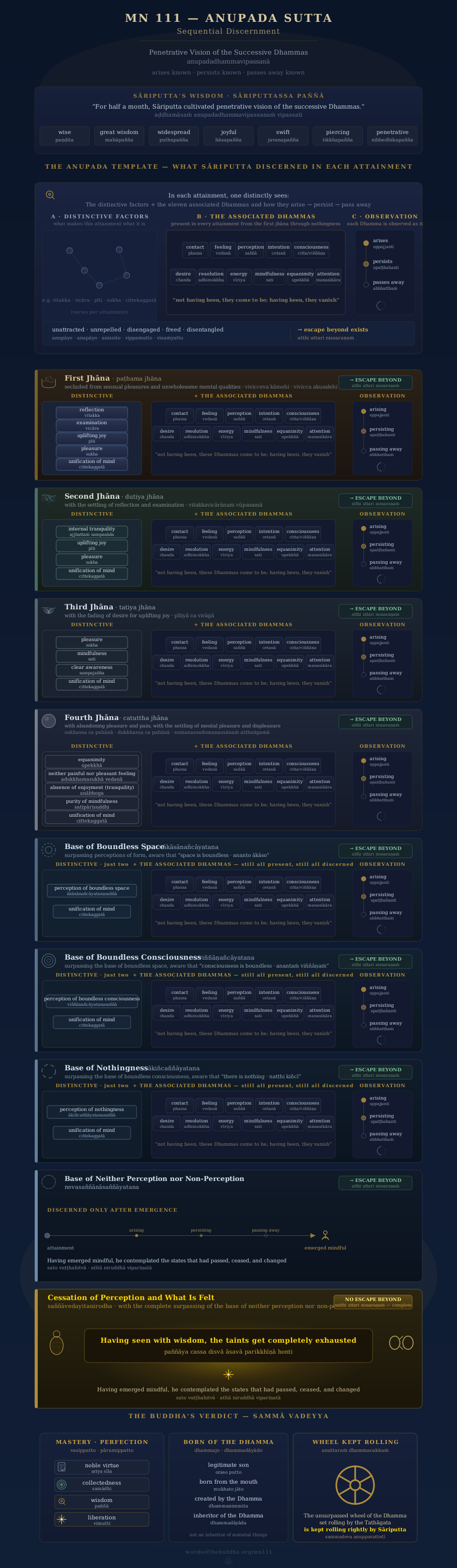
Sāriputta’s Wisdom
Evaṁ me sutaṁ— ekaṁ samayaṁ bhagavā sāvatthiyaṁ viharati jetavane anāthapiṇḍikassa ārāme. Tatra kho bhagavā bhikkhū āmantesi: “bhikkhavo”ti.
Thus have I heard—At one time, the Blessed One was dwelling at Sāvatthi, in Jeta’s Grove, Anāthapiṇḍika’s Park. There, he addressed the bhikkhus: “Bhikkhus.”
“Bhadante”ti te bhikkhū bhagavato paccassosuṁ. Bhagavā etadavoca:
“Venerable sir,” those bhikkhus replied to the Blessed One. The Blessed One said this:
“Paṇḍito, bhikkhave, sāriputto; mahāpañño, bhikkhave, sāriputto; puthupañño, bhikkhave, sāriputto; hāsapañño, bhikkhave, sāriputto; javanapañño, bhikkhave, sāriputto; tikkhapañño, bhikkhave, sāriputto; nibbedhikapañño, bhikkhave, sāriputto; sāriputto, bhikkhave, aḍḍhamāsaṁ anupadadhammavipassanaṁ vipassati. Tatridaṁ, bhikkhave, sāriputtassa anupadadhammavipassanāya hoti.
“Sāriputta is wise; Sāriputta is of great wisdom. Sāriputta has widespread wisdom; Sāriputta has joyful wisdom; Sāriputta has swift wisdom; Sāriputta has piercing wisdom; Sāriputta has penetrative wisdom. For half a month, Sāriputta cultivated penetrative vision of the successive Dhammas. This is how Sāriputta cultivated penetrative vision of the sequence of the successive Dhammas.
Four Jhānas
First and Second Jhāna
Idha, bhikkhave, sāriputto vivicceva kāmehi vivicca akusalehi dhammehi savitakkaṁ savicāraṁ vivekajaṁ pītisukhaṁ paṭhamaṁ jhānaṁ upasampajja viharati. Ye ca paṭhame jhāne dhammā vitakko ca vicāro ca pīti ca sukhañca cittekaggatā ca, phasso vedanā saññā cetanā cittaṁ chando adhimokkho vīriyaṁ sati upekkhā manasikāro—tyāssa dhammā anupadavavatthitā honti. Tyāssa dhammā viditā uppajjanti, viditā upaṭṭhahanti, viditā abbhatthaṁ gacchanti. So evaṁ pajānāti: ‘evaṁ kirame dhammā ahutvā sambhonti, hutvā paṭiventī’ti. So tesu dhammesu anupāyo anapāyo anissito appaṭibaddho vippamutto visaṁyutto vimariyādīkatena cetasā viharati. So ‘atthi uttari nissaraṇan’ti pajānāti. Tabbahulīkārā atthitvevassa hoti.
Here, entirely secluded from sensual pleasures and unwholesome mental qualities, Sāriputta entered and dwelled in the first jhāna, which is accompanied by thought and examination, born of seclusion, and imbued with uplifting joy and pleasure. The Dhammas within the first jhāna are thought, examination, uplifting joy, pleasure, and unification of mind; contact, feeling, perception, intention, and consciousness; desire, resolution, energy, mindfulness, equanimity, and attention. These Dhammas were discerned sequentially by him as they occurred. These Dhammas arose known to him, persisted known to him, and passed away known to him. He understood: ‘So indeed, these Dhammas, not having been, come into being; having been, they vanish.’ Regarding those Dhammas, he abided unattracted, without repulsion, disengaged, not bound, freed, disentangled, with a mind rid of barriers. He understood: ‘There is an escape beyond,’ and by practicing it often, he confirmed that there is.
Puna caparaṁ, bhikkhave, sāriputto vitakkavicārānaṁ vūpasamā ajjhattaṁ sampasādanaṁ cetaso ekodibhāvaṁ avitakkaṁ avicāraṁ samādhijaṁ pītisukhaṁ dutiyaṁ jhānaṁ upasampajja viharati.
Furthermore, with the settling of thought and examination, Sāriputta entered and dwelled in the second jhāna, which is characterized by internal tranquility and unification of consciousness, free from thought and examination, born of collectedness, and imbued with uplifting joy and pleasure.
Ye ca dutiye jhāne dhammā—ajjhattaṁ sampasādo ca pīti ca sukhañca cittekaggatā ca, phasso vedanā saññā cetanā cittaṁ chando adhimokkho vīriyaṁ sati upekkhā manasikāro—tyāssa dhammā anupadavavatthitā honti. Tyāssa dhammā viditā uppajjanti, viditā upaṭṭhahanti, viditā abbhatthaṁ gacchanti. So evaṁ pajānāti: ‘evaṁ kirame dhammā ahutvā sambhonti, hutvā paṭiventī’ti. So tesu dhammesu anupāyo anapāyo anissito appaṭibaddho vippamutto visaṁyutto vimariyādīkatena cetasā viharati. So ‘atthi uttari nissaraṇan’ti pajānāti. Tabbahulīkārā atthitvevassa hoti.
The Dhammas within the second jhāna are internal tranquility, uplifting joy, pleasure, and mental unification; contact, feeling, perception, intention, and consciousness; desire, resolution, energy, mindfulness, equanimity, and attention. These Dhammas were discerned sequentially by him as they occurred. These Dhammas arose known to him, persisted known to him, and passed away known to him. He understood: ‘So indeed, these Dhammas, not having been, come into being; having been, they vanish.’ Regarding those Dhammas, he abided unattracted, without repulsion, disengaged, not bound, freed, disentangled, with a mind rid of barriers. He understood: ‘There is an escape beyond,’ and by practicing it often, he confirmed that there is.
Third and Fourth Jhāna
Puna caparaṁ, bhikkhave, sāriputto pītiyā ca virāgā upekkhako ca viharati sato ca sampajāno, sukhañca kāyena paṭisaṁvedeti. Yaṁ taṁ ariyā ācikkhanti: ‘upekkhako satimā sukhavihārī’ti tatiyaṁ jhānaṁ upasampajja viharati.
Furthermore, with the fading of desire for uplifting joy, he dwelled equanimous, mindful and clearly aware, experiencing pleasure with the body. He entered and dwelled in the third jhāna, which the Noble Ones describe as, ‘one who dwells equanimous, mindful, and at ease.’
Ye ca tatiye jhāne dhammā—sukhañca sati ca sampajaññañca cittekaggatā ca, phasso vedanā saññā cetanā cittaṁ chando adhimokkho vīriyaṁ sati upekkhā manasikāro— tyāssa dhammā anupadavavatthitā honti, tyāssa dhammā viditā uppajjanti, viditā upaṭṭhahanti, viditā abbhatthaṁ gacchanti. So evaṁ pajānāti: ‘evaṁ kirame dhammā ahutvā sambhonti, hutvā paṭiventī’ti. So tesu dhammesu anupāyo anapāyo anissito appaṭibaddho vippamutto visaṁyutto vimariyādīkatena cetasā viharati. So ‘atthi uttari nissaraṇan’ti pajānāti. Tabbahulīkārā atthitvevassa hoti.
The Dhammas within the third jhāna are pleasure, mindfulness, clear awareness, and mental unification; contact, feeling, perception, intention, and consciousness; desire, resolution, energy, mindfulness, equanimity, and attention. These Dhammas were discerned sequentially by him as they occurred. These Dhammas arose known to him, persisted known to him, and passed away known to him. He understood: ‘So indeed, these Dhammas, not having been, come into being; having been, they vanish.’ Regarding those Dhammas, he abided unattracted, without repulsion, disengaged, not bound, freed, disentangled, with a mind rid of barriers. He understood: ‘There is an escape beyond,’ and by practicing it often, he confirmed that there is.
Puna caparaṁ, bhikkhave, sāriputto sukhassa ca pahānā dukkhassa ca pahānā pubbeva somanassadomanassānaṁ atthaṅgamā adukkhamasukhaṁ upekkhāsatipārisuddhiṁ catutthaṁ jhānaṁ upasampajja viharati.
Furthermore, with the abandoning of [bodily] pleasure and pain, and with the prior settling down of mental pleasure and displeasure, Sāriputta entered and dwelled in the fourth jhāna, which is characterized by purification of mindfulness through equanimity, experiencing a neither-painful-nor-pleasant feeling.
Ye ca catutthe jhāne dhammā—upekkhā adukkhamasukhā vedanā passaddhattā cetaso anābhogo satipārisuddhi cittekaggatā ca, phasso vedanā saññā cetanā cittaṁ chando adhimokkho vīriyaṁ sati upekkhā manasikāro—tyāssa dhammā anupadavavatthitā honti. Tyāssa dhammā viditā uppajjanti, viditā upaṭṭhahanti, viditā abbhatthaṁ gacchanti. So evaṁ pajānāti: ‘evaṁ kirame dhammā ahutvā sambhonti, hutvā paṭiventī’ti. So tesu dhammesu anupāyo anapāyo anissito appaṭibaddho vippamutto visaṁyutto vimariyādīkatena cetasā viharati. So ‘atthi uttari nissaraṇan’ti pajānāti. Tabbahulīkārā atthitvevassa hoti.
The Dhammas within the fourth jhāna are equanimity, neither painful nor pleasant feeling, absence of enjoyment due to tranquility, purity of mindfulness, and mental unification; contact, feeling, perception, intention, and consciousness; desire, resolution, energy, mindfulness, equanimity, and attention. These Dhammas were discerned sequentially by him as they occurred. These Dhammas arose known to him, persisted known to him, and passed away known to him. He understood: ‘So indeed, these Dhammas, not having been, come into being; having been, they vanish.’ Regarding those Dhammas, he abided unattracted, without repulsion, disengaged, not bound, freed, disentangled, with a mind rid of barriers. He understood: ‘There is an escape beyond,’ and by practicing it often, he confirmed that there is.
Formless Bases
Boundless Space and Consciousness
Puna caparaṁ, bhikkhave, sāriputto sabbaso rūpasaññānaṁ samatikkamā paṭighasaññānaṁ atthaṅgamā nānattasaññānaṁ amanasikārā ‘ananto ākāso’ti ākāsānañcāyatanaṁ upasampajja viharati.
Furthermore, with the complete surpassing of perceptions of form, with the disappearance of perception of sensory impact, and non-attention to perception of diversity, aware that ‘space is boundless,’ Sāriputta entered and dwelled in the base of boundless space.
Ye ca ākāsānañcāyatane dhammā—ākāsānañcāyatanasaññā ca cittekaggatā ca phasso vedanā saññā cetanā cittaṁ chando adhimokkho vīriyaṁ sati upekkhā manasikāro—tyāssa dhammā anupadavavatthitā honti. Tyāssa dhammā viditā uppajjanti, viditā upaṭṭhahanti, viditā abbhatthaṁ gacchanti. So evaṁ pajānāti: ‘evaṁ kirame dhammā ahutvā sambhonti, hutvā paṭiventī’ti. So tesu dhammesu anupāyo anapāyo anissito appaṭibaddho vippamutto visaṁyutto vimariyādīkatena cetasā viharati. So ‘atthi uttari nissaraṇan’ti pajānāti. Tabbahulīkārā atthitvevassa hoti.
The Dhammas within the base of boundless space are the perception of the base of boundless space and mental unification; contact, feeling, perception, intention, and consciousness; desire, resolution, energy, mindfulness, equanimity, and attention. These Dhammas were discerned sequentially by him as they occurred. These Dhammas arose known to him, persisted known to him, and passed away known to him. He understood: ‘So indeed, these Dhammas, not having been, come into being; having been, they vanish.’ Regarding those Dhammas, he abided unattracted, without repulsion, disengaged, not bound, freed, disentangled, with a mind rid of barriers. He understood: ‘There is an escape beyond,’ and by practicing it often, he confirmed that there is.
Puna caparaṁ, bhikkhave, sāriputto sabbaso ākāsānañcāyatanaṁ samatikkamma ‘anantaṁ viññāṇan’ti viññāṇañcāyatanaṁ upasampajja viharati.
Furthermore, with the complete surpassing of the base of boundless space, aware that ‘consciousness is boundless,’ Sāriputta entered and dwelled in the base of boundless consciousness.
Ye ca viññāṇañcāyatane dhammā—viññāṇañcāyatanasaññā ca cittekaggatā ca, phasso vedanā saññā cetanā cittaṁ chando adhimokkho vīriyaṁ sati upekkhā manasikāro—tyāssa dhammā anupadavavatthitā honti. Tyāssa dhammā viditā uppajjanti, viditā upaṭṭhahanti, viditā abbhatthaṁ gacchanti. So evaṁ pajānāti: ‘evaṁ kirame dhammā ahutvā sambhonti, hutvā paṭiventī’ti. So tesu dhammesu anupāyo anapāyo anissito appaṭibaddho vippamutto visaṁyutto vimariyādīkatena cetasā viharati. So ‘atthi uttari nissaraṇan’ti pajānāti. Tabbahulīkārā atthitvevassa hoti.
The Dhammas within the base of boundless consciousness are the perception of the base of boundless consciousness and mental unification; contact, feeling, perception, intention, and consciousness; desire, resolution, energy, mindfulness, equanimity, and attention. These Dhammas were discerned sequentially by him as they occurred. These Dhammas arose known to him, persisted known to him, and passed away known to him. He understood: ‘So indeed, these Dhammas, not having been, come into being; having been, they vanish.’ Regarding those Dhammas, he abided unattracted, without repulsion, disengaged, not bound, freed, disentangled, with a mind rid of barriers. He understood: ‘There is an escape beyond,’ and by practicing it often, he confirmed that there is.
Nothingness and Neither Perception nor Non-Perception
Puna caparaṁ, bhikkhave, sāriputto sabbaso viññāṇañcāyatanaṁ samatikkamma ‘natthi kiñcī’ti ākiñcaññāyatanaṁ upasampajja viharati.
Furthermore, with the complete surpassing of the base of boundless consciousness, aware that ‘there is nothing,’ Sāriputta entered and dwelled in the base of nothingness.
Ye ca ākiñcaññāyatane dhammā—ākiñcaññāyatanasaññā ca cittekaggatā ca, phasso vedanā saññā cetanā cittaṁ chando adhimokkho vīriyaṁ sati upekkhā manasikāro—tyāssa dhammā anupadavavatthitā honti. Tyāssa dhammā viditā uppajjanti, viditā upaṭṭhahanti, viditā abbhatthaṁ gacchanti. So evaṁ pajānāti: ‘evaṁ kirame dhammā ahutvā sambhonti, hutvā paṭiventī’ti. So tesu dhammesu anupāyo anapāyo anissito appaṭibaddho vippamutto visaṁyutto vimariyādīkatena cetasā viharati. So ‘atthi uttari nissaraṇan’ti pajānāti. Tabbahulīkārā atthitvevassa hoti.
The Dhammas within the base of nothingness are the perception of the base of nothingness and mental unification; contact, feeling, perception, intention, and consciousness; desire, resolution, energy, mindfulness, equanimity, and attention. These Dhammas were discerned sequentially by him as they occurred. These Dhammas arose known to him, persisted known to him, and passed away known to him. He understood: ‘So indeed, these Dhammas, not having been, come into being; having been, they vanish.’ Regarding those Dhammas, he abided unattracted, without repulsion, disengaged, not bound, freed, disentangled, with a mind rid of barriers. He understood: ‘There is an escape beyond,’ and by practicing it often, he confirmed that there is.
Puna caparaṁ, bhikkhave, sāriputto sabbaso ākiñcaññāyatanaṁ samatikkamma nevasaññānāsaññāyatanaṁ upasampajja viharati.
Furthermore, with the complete surpassing of the base of nothingness, Sāriputta entered and dwelled in the base of neither perception nor non-perception.
So tāya samāpattiyā sato vuṭṭhahati. So tāya samāpattiyā sato vuṭṭhahitvā ye dhammā atītā niruddhā vipariṇatā te dhamme samanupassati: ‘evaṁ kirame dhammā ahutvā sambhonti, hutvā paṭiventī’ti. So tesu dhammesu anupāyo anapāyo anissito appaṭibaddho vippamutto visaṁyutto vimariyādīkatena cetasā viharati. So ‘atthi uttari nissaraṇan’ti pajānāti. Tabbahulīkārā atthitvevassa hoti.
He emerged from that attainment mindful. Having emerged mindful from that attainment, he contemplated the Dhammas that had passed, ceased, and changed thus: ‘So indeed, these Dhammas, not having been, come into being; having been, they vanish.’ Regarding those Dhammas, he abided unattracted, without repulsion, disengaged, not bound, freed, disentangled, with a mind rid of barriers. He understood: ‘There is an escape beyond,’ and by practicing it often, he confirmed that there is.
Cessation and Exhaustion of Taints
Puna caparaṁ, bhikkhave, sāriputto sabbaso nevasaññānāsaññāyatanaṁ samatikkamma saññāvedayitanirodhaṁ upasampajja viharati. Paññāya cassa disvā āsavā parikkhīṇā honti.
Furthermore, with the complete surpassing of the base of neither perception nor non-perception, Sāriputta entered and dwelled in the cessation of perception and what is felt. And having seen with wisdom, his taints were completely exhausted.
So tāya samāpattiyā sato vuṭṭhahati. So tāya samāpattiyā sato vuṭṭhahitvā ye dhammā atītā niruddhā vipariṇatā te dhamme samanupassati: ‘evaṁ kirame dhammā ahutvā sambhonti, hutvā paṭiventī’ti. So tesu dhammesu anupāyo anapāyo anissito appaṭibaddho vippamutto visaṁyutto vimariyādīkatena cetasā viharati. So ‘natthi uttari nissaraṇan’ti pajānāti. Tabbahulīkārā natthi tvevassa hoti.
He emerged from that attainment mindful. Having emerged mindful from that attainment, he contemplated the Dhammas that had passed, ceased, and changed thus: ‘So indeed, these Dhammas, not having been, come into being; having been, they vanish.’ Regarding those Dhammas, he abided unattracted, without repulsion, disengaged, not bound, freed, disentangled, with a mind rid of barriers. He understood: ‘There is no escape beyond,’ and by practicing it often, he confirmed that there is none.
Sāriputta’s Mastery
Yaṁ kho taṁ, bhikkhave, sammā vadamāno vadeyya: ‘vasippatto pāramippatto ariyasmiṁ sīlasmiṁ, vasippatto pāramippatto ariyasmiṁ samādhismiṁ, vasippatto pāramippatto ariyāya paññāya, vasippatto pāramippatto ariyāya vimuttiyā’ti, sāriputtameva taṁ sammā vadamāno vadeyya: ‘vasippatto pāramippatto ariyasmiṁ sīlasmiṁ, vasippatto pāramippatto ariyasmiṁ samādhismiṁ, vasippatto pāramippatto ariyāya paññāya, vasippatto pāramippatto ariyāya vimuttiyā’ti.
If, speaking rightly, one were to say of anyone: ‘He has attained mastery and perfection in noble virtue, attained mastery and perfection in noble collectedness, attained mastery and perfection in noble wisdom, attained mastery and perfection in noble liberation,’ it is of Sāriputta indeed that one speaking rightly would say: ‘He has attained mastery and perfection in noble virtue, attained mastery and perfection in noble collectedness, attained mastery and perfection in noble wisdom, attained mastery and perfection in noble liberation.’
Yaṁ kho taṁ, bhikkhave, sammā vadamāno vadeyya: ‘bhagavato putto oraso mukhato jāto dhammajo dhammanimmito dhammadāyādo no āmisadāyādo’ti, sāriputtameva taṁ sammā vadamāno vadeyya: ‘bhagavato putto oraso mukhato jāto dhammajo dhammanimmito dhammadāyādo no āmisadāyādo’ti.
If, speaking rightly, one were to say of anyone: ‘He is the Blessed One’s legitimate son, born from his mouth, born from the Dhamma, created by the Dhamma, inheritor of the Dhamma, not an inheritor of material things,’ it is of Sāriputta indeed that one speaking rightly would say: ‘He is the Blessed One’s legitimate son, born from his mouth, born from the Dhamma, created by the Dhamma, an inheritor of the Dhamma, not an inheritor of material things.’
Sāriputto, bhikkhave, tathāgatena anuttaraṁ dhammacakkaṁ pavattitaṁ sammadeva anuppavattetī”ti.
The unsurpassed wheel of the Dhamma set into motion by the Tathāgata is kept rolling rightly by Sāriputta.
Idamavoca bhagavā. Attamanā te bhikkhū bhagavato bhāsitaṁ abhinandunti.
The Blessed One said this. The bhikkhus were delighted and pleased with the Blessed One’s words.