Evaṁ me sutaṁ— ekaṁ samayaṁ bhagavā sāvatthiyaṁ viharati jetavane anāthapiṇḍikassa ārāme.
Thus have I heard—At one time, the Blessed One was dwelling at Sāvatthi, in Jeta’s Grove, Anāthapiṇḍika’s Park.
The Supreme Beauty
Atha kho vekhanaso paribbājako yena bhagavā tenupasaṅkami; upasaṅkamitvā bhagavatā saddhiṁ sammodi. Sammodanīyaṁ kathaṁ sāraṇīyaṁ vītisāretvā ekamantaṁ aṭṭhāsi. Ekamantaṁ ṭhito kho vekhanaso paribbājako bhagavato santike udānaṁ udānesi: “ayaṁ paramo vaṇṇo, ayaṁ paramo vaṇṇo”ti.
Then the wanderer Vekhanasa approached the Blessed One; having approached, he exchanged friendly greetings with the Blessed One. After the exchange of a courteous and polite conversation, he stood to one side. Standing to one side, the wanderer Vekhanasa uttered this inspired utterance in the presence of the Blessed One: “This is the supreme beauty! This is the supreme beauty!”
“Kiṁ pana tvaṁ, kaccāna, evaṁ vadesi: ‘ayaṁ paramo vaṇṇo, ayaṁ paramo vaṇṇo’ti? Katamo, kaccāna, so paramo vaṇṇo”ti?
“Why, Kaccāna, do you say: ‘This is the supreme beauty! This is the supreme beauty!’? What, Kaccāna, is that supreme beauty?”
“Yasmā, bho gotama, vaṇṇā añño vaṇṇo uttaritaro vā paṇītataro vā natthi so paramo vaṇṇo”ti.
“Sir Gotama, that beauty than which there is no other beauty more excellent or more sublime is the supreme beauty.”
“Katamo pana so, kaccāna, vaṇṇo yasmā vaṇṇā añño vaṇṇo uttaritaro vā paṇītataro vā natthī”ti?
“And what, Kaccāna, is that beauty than which there is no other beauty more excellent or more sublime?”
“Yasmā, bho gotama, vaṇṇā añño vaṇṇo uttaritaro vā paṇītataro vā natthi so paramo vaṇṇo”ti.
“Sir Gotama, that beauty than which there is no other beauty more excellent or more sublime is the supreme beauty.”
“Dīghāpi kho te esā, kaccāna, phareyya: ‘yasmā, bho gotama, vaṇṇā añño vaṇṇo uttaritaro vā paṇītataro vā natthi so paramo vaṇṇo’ti vadesi, tañca vaṇṇaṁ na paññapesi.
“You could go on like this for a long time, Kaccāna: you say, ‘Sir Gotama, that beauty than which there is no other beauty more excellent or more sublime is the supreme beauty,’ yet you do not specify what that beauty is.
Seyyathāpi, kaccāna, puriso evaṁ vadeyya: ‘ahaṁ yā imasmiṁ janapade janapadakalyāṇī, taṁ icchāmi taṁ kāmemī’ti.
Suppose, Kaccāna, a man were to say: ‘I desire and long for the most beautiful woman of the country.’
Tamenaṁ evaṁ vadeyyuṁ: ‘ambho purisa, yaṁ tvaṁ janapadakalyāṇiṁ icchasi kāmesi, jānāsi taṁ janapadakalyāṇiṁ—khattiyī vā brāhmaṇī vā vessī vā suddī vā’ti?
They might say to him: ‘Good man, that most beautiful woman of the country whom you desire and long for: do you know whether she is an aristocrat, a brahmin, a merchant, or a worker?’
Iti puṭṭho ‘no’ti vadeyya.
Being questioned thus, he would say: ‘No.’
Tamenaṁ evaṁ vadeyyuṁ: ‘ambho purisa, yaṁ tvaṁ janapadakalyāṇiṁ icchasi kāmesi, jānāsi taṁ janapadakalyāṇiṁ evaṁnāmā evaṅgottāti vāti …pe… dīghā vā rassā vā majjhimā vā kāḷī vā sāmā vā maṅguracchavī vāti … amukasmiṁ gāme vā nigame vā nagare vā’ti?
They might say to him: ‘Good man, that most beautiful woman of the country whom you desire and long for: do you know her name, or her clan, or whether she is tall, short, or of medium height, or whether she is dark, brown, or golden-skinned, or which village, town, or city she lives in?’
Iti puṭṭho ‘no’ti vadeyya.
Being questioned thus, he would say: ‘No.’
Tamenaṁ evaṁ vadeyyuṁ: ‘ambho purisa, yaṁ tvaṁ na jānāsi na passasi, taṁ tvaṁ icchasi kāmesī’ti?
They might say to him: ‘Good man, do you desire and long for someone whom you do not know and do not see?’
Iti puṭṭho ‘āmā’ti vadeyya.
Being questioned thus, he would say: ‘Yes.’
Taṁ kiṁ maññasi, kaccāna, nanu evaṁ sante tassa purisassa appāṭihīrakataṁ bhāsitaṁ sampajjatī”ti?
What do you think, Kaccāna: this being the case, does not that man’s statement turn out to be ungrounded?”
“Addhā kho, bho gotama, evaṁ sante tassa purisassa appāṭihīrakataṁ bhāsitaṁ sampajjatī”ti.
“Certainly, sir Gotama, this being the case, that man’s statement turns out to be ungrounded.”
“Evameva kho tvaṁ, kaccāna, ‘yasmā, bho gotama, vaṇṇā añño vaṇṇo uttaritaro vā paṇītataro vā natthi so paramo vaṇṇo’ti vadesi; tañca vaṇṇaṁ na paññapesī”ti.
“In the same way, Kaccāna, you say: ‘Sir Gotama, that beauty than which there is no other beauty more excellent or more sublime is the supreme beauty,’ yet you do not specify what that beauty is.”
The Berly Gem and the Graded Radiance
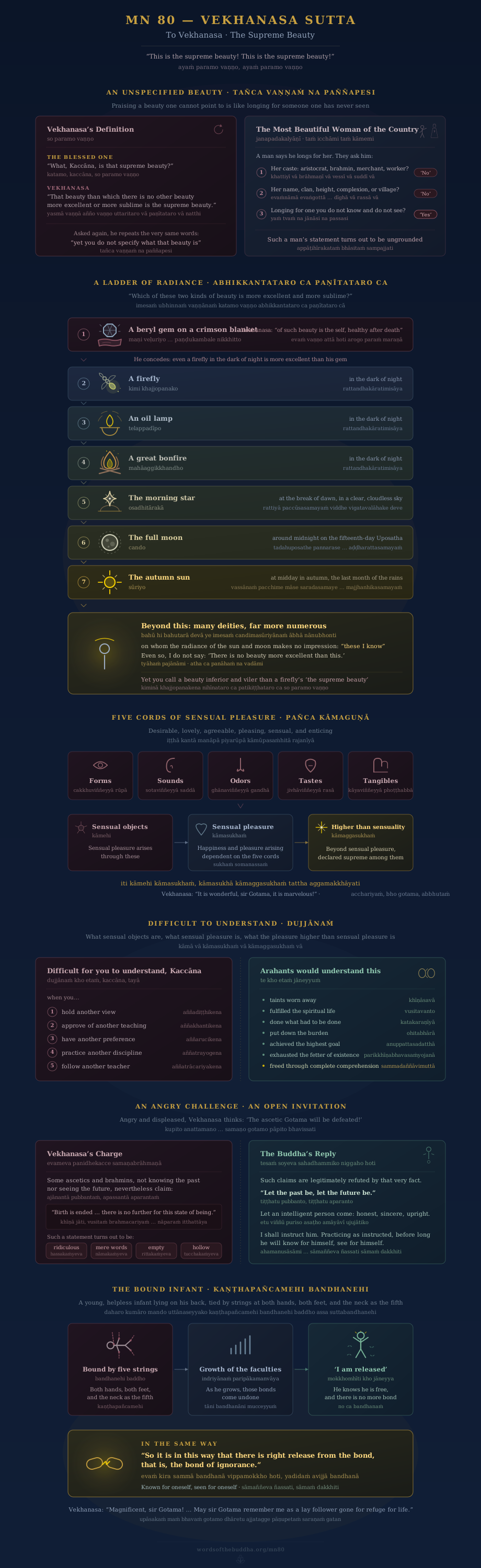
“Seyyathāpi, bho gotama, maṇi veḷuriyo subho jātimā aṭṭhaṁso suparikammakato paṇḍukambale nikkhitto bhāsate ca tapate ca virocati ca, evaṁ vaṇṇo attā hoti arogo paraṁ maraṇā”ti.
“Just as, sir Gotama, a beautiful beryl gem of purest water, eight-faceted, well cut, clear and transparent, luminous, and of excellent workmanship, laid on a crimson blanket, shines, glows, and radiates: of such beauty is the self, healthy after death.”
“Taṁ kiṁ maññasi, kaccāna, yo vā maṇi veḷuriyo subho jātimā aṭṭhaṁso suparikammakato paṇḍukambale nikkhitto bhāsate ca tapate ca virocati ca, yo vā rattandhakāratimisāya kimi khajjopanako imesaṁ ubhinnaṁ vaṇṇānaṁ katamo vaṇṇo abhikkantataro ca paṇītataro cā”ti?
“What do you think, Kaccāna: which of these two kinds of beauty is more excellent and more sublime: that beautiful beryl gem of purest water, eight-faceted, well cut, clear and transparent, luminous, and of excellent workmanship, laid on a crimson blanket, that shines, glows, and radiates, or a firefly in the dark of night?”
“Yvāyaṁ, bho gotama, rattandhakāratimisāya kimi khajjopanako, ayaṁ imesaṁ ubhinnaṁ vaṇṇānaṁ abhikkantataro ca paṇītataro cā”ti.
“This firefly in the dark of night, sir Gotama: of these two kinds of beauty, this is more excellent and more sublime.”
“Taṁ kiṁ maññasi, kaccāna, yo vā rattandhakāratimisāya kimi khajjopanako, yo vā rattandhakāratimisāya telappadīpo, imesaṁ ubhinnaṁ vaṇṇānaṁ katamo vaṇṇo abhikkantataro ca paṇītataro cā”ti?
“What do you think, Kaccāna: which of these two kinds of beauty is more excellent and more sublime: a firefly in the dark of night, or an oil lamp in the dark of night?”
“Yvāyaṁ, bho gotama, rattandhakāratimisāya telappadīpo, ayaṁ imesaṁ ubhinnaṁ vaṇṇānaṁ abhikkantataro ca paṇītataro cā”ti.
“This oil lamp in the dark of night, sir Gotama: of these two kinds of beauty, this is more excellent and more sublime.”
“Taṁ kiṁ maññasi, kaccāna, yo vā rattandhakāratimisāya telappadīpo, yo vā rattandhakāratimisāya mahāaggikkhandho, imesaṁ ubhinnaṁ vaṇṇānaṁ katamo vaṇṇo abhikkantataro ca paṇītataro cā”ti?
“What do you think, Kaccāna: which of these two kinds of beauty is more excellent and more sublime: an oil lamp in the dark of night, or a great bonfire in the dark of night?”
“Yvāyaṁ, bho gotama, rattandhakāratimisāya mahāaggikkhandho, ayaṁ imesaṁ ubhinnaṁ vaṇṇānaṁ abhikkantataro ca paṇītataro cā”ti.
“This great bonfire in the dark of night, sir Gotama: of these two kinds of beauty, this is more excellent and more sublime.”
“Taṁ kiṁ maññasi, kaccāna, yo vā rattandhakāratimisāya mahāaggikkhandho, yā vā rattiyā paccūsasamayaṁ viddhe vigatavalāhake deve osadhitārakā, imesaṁ ubhinnaṁ vaṇṇānaṁ katamo vaṇṇo abhikkantataro ca paṇītataro cā”ti?
“What do you think, Kaccāna: which of these two kinds of beauty is more excellent and more sublime: a great bonfire in the dark of night, or the morning star at the break of dawn in a clear, cloudless sky?”
“Yvāyaṁ, bho gotama, rattiyā paccūsasamayaṁ viddhe vigatavalāhake deve osadhitārakā, ayaṁ imesaṁ ubhinnaṁ vaṇṇānaṁ abhikkantataro ca paṇītataro cā”ti.
“This morning star at the break of dawn in a clear, cloudless sky, sir Gotama: of these two kinds of beauty, this is more excellent and more sublime.”
“Taṁ kiṁ maññasi, kaccāna, yā vā rattiyā paccūsasamayaṁ viddhe vigatavalāhake deve osadhitārakā, yo vā tadahuposathe pannarase viddhe vigatavalāhake deve abhido aḍḍharattasamayaṁ cando, imesaṁ ubhinnaṁ vaṇṇānaṁ katamo vaṇṇo abhikkantataro ca paṇītataro cā”ti?
“What do you think, Kaccāna: which of these two kinds of beauty is more excellent and more sublime: the morning star at the break of dawn in a clear, cloudless sky, or the moon around midnight on the fifteenth-day Uposatha in a clear, cloudless sky?”
“Yvāyaṁ, bho gotama, tadahuposathe pannarase viddhe vigatavalāhake deve abhido aḍḍharattasamayaṁ cando, ayaṁ imesaṁ ubhinnaṁ vaṇṇānaṁ abhikkantataro ca paṇītataro cā”ti.
“This moon around midnight on the fifteenth-day Uposatha in a clear, cloudless sky, sir Gotama: of these two kinds of beauty, this is more excellent and more sublime.”
“Taṁ kiṁ maññasi, kaccāna, yo vā tadahuposathe pannarase viddhe vigatavalāhake deve abhido aḍḍharattasamayaṁ cando, yo vā vassānaṁ pacchime māse saradasamaye viddhe vigatavalāhake deve abhido majjhanhikasamayaṁ sūriyo, imesaṁ ubhinnaṁ vaṇṇānaṁ katamo vaṇṇo abhikkantataro ca paṇītataro cā”ti?
“What do you think, Kaccāna: which of these two kinds of beauty is more excellent and more sublime: the moon around midnight on the fifteenth-day Uposatha in a clear, cloudless sky, or the sun around midday in autumn, in the last month of the rainy season, in a clear, cloudless sky?”
“Yvāyaṁ, bho gotama, vassānaṁ pacchime māse saradasamaye viddhe vigatavalāhake deve abhido majjhanhikasamayaṁ sūriyo—ayaṁ imesaṁ ubhinnaṁ vaṇṇānaṁ abhikkantataro ca paṇītataro cā”ti.
“This sun around midday in autumn, in the last month of the rainy season, in a clear, cloudless sky, sir Gotama: of these two kinds of beauty, this is more excellent and more sublime.”
“Ato kho te, kaccāna, bahū hi bahutarā devā ye imesaṁ candimasūriyānaṁ ābhā nānubhonti, tyāhaṁ pajānāmi. Atha ca panāhaṁ na vadāmi: ‘yasmā vaṇṇā añño vaṇṇo uttaritaro ca paṇītataro ca natthī’ti. Atha ca pana tvaṁ, kaccāna, ‘yvāyaṁ vaṇṇo kiminā khajjopanakena nihīnataro ca patikiṭṭhataro ca so paramo vaṇṇo’ti vadesi; tañca vaṇṇaṁ na paññapesi.
“Beyond this, Kaccāna, there are many deities, far more numerous than these, on whom the radiance of this sun and moon makes no impression, yet I know them. Even so, I do not say: ‘There is no other beauty more excellent or more sublime than this beauty.’ Yet you, Kaccāna, say of a beauty inferior and viler than that of a firefly: ‘This is the supreme beauty,’ and you do not specify what that beauty is.
The Five Cords of Sensual Pleasure
Pañca kho ime, kaccāna, kāmaguṇā. Katame pañca? Cakkhuviññeyyā rūpā iṭṭhā kantā manāpā piyarūpā kāmūpasaṁhitā rajanīyā, sotaviññeyyā saddā …pe… ghānaviññeyyā gandhā … jivhāviññeyyā rasā … kāyaviññeyyā phoṭṭhabbā iṭṭhā kantā manāpā piyarūpā kāmūpasaṁhitā rajanīyā— ime kho, kaccāna, pañca kāmaguṇā.
There are these five cords of sensual pleasure, Kaccāna. What five? Forms cognizable by the eye that are desirable, lovely, agreeable, pleasing, sensual, and enticing; sounds cognizable by the ear ․․․ odors cognizable by the nose ․․․ tastes cognizable by the tongue ․․․ tangible objects cognizable by the body that are desirable, lovely, agreeable, pleasing, sensual, and enticing. These, Kaccāna, are the five cords of sensual pleasure.
Yaṁ kho, kaccāna, ime pañca kāmaguṇe paṭicca uppajjati sukhaṁ somanassaṁ idaṁ vuccati kāmasukhaṁ. Iti kāmehi kāmasukhaṁ, kāmasukhā kāmaggasukhaṁ tattha aggamakkhāyatī”ti.
Whatever happiness and pleasure arises dependent on the five cords of sensual pleasure, Kaccāna, is called sensual pleasure. Thus sensual pleasure arises through sensual objects, but there is a pleasure higher than sensual pleasure, and that is declared to be the supreme pleasure among them.”
Evaṁ vutte, vekhanaso paribbājako bhagavantaṁ etadavoca: “acchariyaṁ, bho gotama, abbhutaṁ, bho gotama. Yāva subhāsitañcidaṁ bhotā gotamena: ‘kāmehi kāmasukhaṁ, kāmasukhā kāmaggasukhaṁ tattha aggamakkhāyatī’ti. ‘Kāmehi, bho gotama, kāmasukhaṁ, kāmasukhā kāmaggasukhaṁ, tattha aggamakkhāyatī’”ti
When this was said, the wanderer Vekhanasa said to the Blessed One: “It is wonderful, sir Gotama, it is marvelous, sir Gotama! How well this was said by sir Gotama: ‘Thus sensual pleasure arises through sensual objects, but there is a pleasure higher than sensual pleasure, and that is declared to be the supreme pleasure among them.’ Indeed, sir Gotama, thus sensual pleasure arises through sensual objects, but there is a pleasure higher than sensual pleasure, and that is declared to be the supreme pleasure among them.”
“dujjānaṁ kho etaṁ, kaccāna, tayā aññadiṭṭhikena aññakhantikena aññarucikena aññatrayogena aññatrācariyakena— kāmā vā kāmasukhaṁ vā kāmaggasukhaṁ vā. Ye kho te, kaccāna, bhikkhū arahanto khīṇāsavā vusitavanto katakaraṇīyā ohitabhārā anuppattasadatthā parikkhīṇabhavasaṁyojanā sammadaññāvimuttā te kho etaṁ jāneyyuṁ— kāmā vā kāmasukhaṁ vā kāmaggasukhaṁ vā”ti.
“It is difficult for you to understand this, Kaccāna, when you hold another view, approve of another teaching, practice another discipline, and follow another teacher: what sensual objects are, or what sensual pleasure is, or what the pleasure higher than sensual pleasure is. Those bhikkhus, Kaccāna, who are Arahants, whose taints have worn away, who have fulfilled the spiritual life, who have done what had to be done, having put down the burden, having achieved the highest goal, having exhausted the fetter of existence, and who are freed through complete comprehension: they would understand this: what sensual objects are, or what sensual pleasure is, or what the pleasure higher than sensual pleasure is.”
Evaṁ vutte, vekhanaso paribbājako kupito anattamano bhagavantaṁyeva khuṁsento bhagavantaṁyeva vambhento bhagavantaṁyeva vadamāno: “samaṇo gotamo pāpito bhavissatī”ti bhagavantaṁ etadavoca: “evameva panidhekacce samaṇabrāhmaṇā ajānantā pubbantaṁ, apassantā aparantaṁ atha ca pana ‘khīṇā jāti, vusitaṁ brahmacariyaṁ, kataṁ karaṇīyaṁ, nāparaṁ itthattāyāti—pajānāmā’ti—paṭijānanti. Tesamidaṁ bhāsitaṁ hassakaṁyeva sampajjati, nāmakaṁyeva sampajjati, rittakaṁyeva sampajjati, tucchakaṁyeva sampajjatī”ti.
When this was said, the wanderer Vekhanasa, angry and displeased, deriding the Blessed One, disparaging the Blessed One, spoke directly against the Blessed One, thinking, ‘The ascetic Gotama will be defeated!’ he said to the Blessed One: “In this very way, there are some ascetics and brahmins here who, not knowing the past nor seeing the future, nevertheless claim: ‘We clearly know: “Birth is ended, the spiritual life has been lived, what had to be done has been done, there is no further for this state of being.”’ Their statement turns out to be ridiculous, mere words, empty and hollow.”
“Ye kho te, kaccāna, samaṇabrāhmaṇā ajānantā pubbantaṁ, apassantā aparantaṁ, ‘khīṇā jāti, vusitaṁ brahmacariyaṁ, kataṁ karaṇīyaṁ, nāparaṁ itthattāyāti—pajānāmā’ti—paṭijānanti; tesaṁ soyeva sahadhammiko niggaho hoti. Api ca, kaccāna, tiṭṭhatu pubbanto, tiṭṭhatu aparanto. Etu viññū puriso asaṭho amāyāvī ujujātiko, ahamanusāsāmi ahaṁ dhammaṁ desemi. Yathānusiṭṭhaṁ tathā paṭipajjamāno nacirasseva sāmaññeva ñassati sāmaṁ dakkhiti— evaṁ kira sammā bandhanā vippamokkho hoti, yadidaṁ avijjā bandhanā. Seyyathāpi, kaccāna, daharo kumāro mando uttānaseyyako kaṇṭhapañcamehi bandhanehi baddho assa suttabandhanehi; tassa vuddhimanvāya indriyānaṁ paripākamanvāya tāni bandhanāni mucceyyuṁ; so mokkhomhīti kho jāneyya no ca bandhanaṁ.
“Those ascetics and brahmins, Kaccāna, who not knowing the past nor seeing the future, claim: ‘We clearly know: “Birth is ended, the spiritual life has been lived, what had to be done has been done, there is no further for this state of being,”’ are legitimately refuted by that very fact. Nevertheless, Kaccāna, let the past be, let the future be. Let an intelligent person come: honest, sincere, and upright. I shall instruct him, I shall teach the Dhamma. Practicing as instructed, before long he will know for himself, see for himself: ‘So it is in this way that there is right release from the bond, that is, the bond of ignorance.’ Suppose, Kaccāna, there were a young, helpless infant lying on his back, tied with five bonds: strings around both hands, both feet, and the neck as the fifth. With his growth and the maturation of his faculties, those bonds would be removed. He would know, ‘I am released,’ and there would be no more bond.
Evameva kho, kaccāna, etu viññū puriso asaṭho amāyāvī ujujātiko, ahamanusāsāmi, ahaṁ dhammaṁ desemi; yathānusiṭṭhaṁ tathā paṭipajjamāno nacirasseva sāmaññeva ñassati, sāmaṁ dakkhiti: ‘evaṁ kira sammā bandhanā vippamokkho hoti, yadidaṁ avijjā bandhanā’”ti.
“In the same way, Kaccāna, let an intelligent person come: honest, sincere, and upright. I shall instruct him, I shall teach the Dhamma. Practicing as instructed, before long he will know for himself, see for himself: ‘So it is in this way that there is right release from the bond, that is, the bond of ignorance.’”
Evaṁ vutte, vekhanaso paribbājako bhagavantaṁ etadavoca: “abhikkantaṁ, bho gotama …pe… upāsakaṁ maṁ bhavaṁ gotamo dhāretu ajjatagge pāṇupetaṁ saraṇaṁ gatan”ti.
When this was said, the wanderer Vekhanasa said to the Blessed One: “Magnificent, sir Gotama! ․․․ May sir Gotama remember me as a lay follower who has gone for refuge from this day forth for life.”